

Are Hexamine Tablets affected by humidity?
Hey there! As a supplier of Hexamine Tablets, I've been getting a lot of questions lately about whether these little guys are affected by humidity. Well, let's dive right into it and find out.
First off, let me give you a quick intro to Hexamine Tablets. These tablets are a popular choice for a variety of uses, especially as Cooking Fuel Tablets. They're compact, easy to store, and burn cleanly, making them ideal for camping, backpacking, and even emergency situations. But when it comes to humidity, things can get a bit tricky.
Hexamine, the main ingredient in these tablets, is a chemical compound that has some interesting properties. It's highly soluble in water, which means that when it comes into contact with moisture in the air (humidity), it can start to absorb that water. This absorption can have a few different effects on the tablets.
One of the most noticeable effects is that the tablets can become soft and mushy. When they absorb water, the structure of the tablet starts to break down. Instead of being hard and solid, they turn into a kind of gooey mess. This is a big problem because a soft tablet won't burn as well as a hard one. The combustion process relies on the tablet maintaining its shape and density so that the hexamine can be burned efficiently. If it's all mushy, the burn is likely to be uneven, and it might even go out before it's fully consumed.
Another issue is that the absorbed water can interfere with the chemical reaction that makes the tablets burn. Hexamine tablets burn through a process called exothermic decomposition. When they're dry, this reaction happens smoothly, releasing a lot of heat. But when there's water in the mix, it can slow down or even disrupt this reaction. The water needs to be heated up and evaporated before the hexamine can start to decompose properly. This means that it takes longer for the tablet to reach its full burning potential, and you might not get as much heat as you'd expect.
Now, you might be wondering how much humidity is too much. Well, there's no exact number because it depends on a few factors. The length of time the tablets are exposed to humidity is important. A short exposure to high humidity might not cause too much damage, but if they're left in a humid environment for days or weeks, the effects will be more severe. Also, the initial quality and packaging of the tablets play a role. High - quality tablets with good packaging are more resistant to humidity. For example, if the tablets are sealed in an airtight container, they're protected from the moisture in the air. But if the packaging is damaged or not airtight, humidity can easily get in.

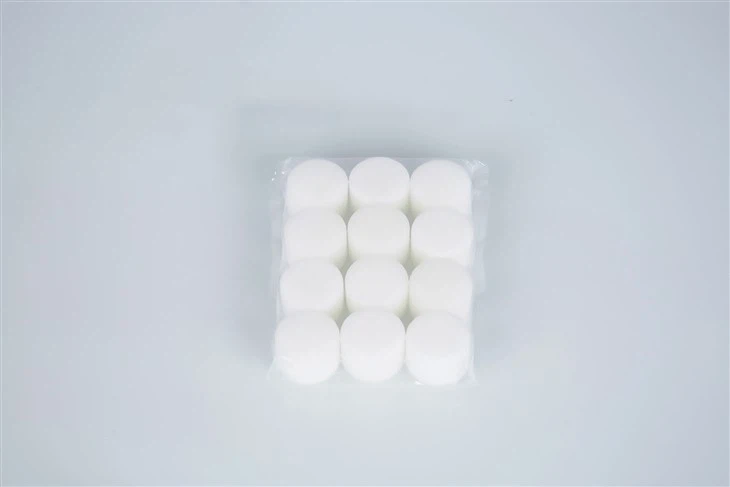
So, what can you do to protect your Fuel Tablets from humidity? The first and most obvious thing is to store them in a dry place. If you're at home, keep them in a closet or a cabinet away from areas where there's a lot of moisture, like the bathroom or the kitchen sink. When you're out camping or traveling, try to keep them in a sealed plastic bag or a waterproof container.
If you're in a really humid climate, you might even want to use desiccants. These are little packets that absorb moisture. You can put a desiccant in the container with your hexamine tablets to help keep the air inside dry. Just make sure the desiccant is safe to be around the tablets and won't contaminate them.
As a supplier, I take humidity seriously. We go to great lengths to ensure that our hexamine tablets are packaged in a way that protects them from moisture. Our packaging is designed to be as airtight as possible, which helps to keep the tablets dry during storage and transportation. But once they're in your hands, it's up to you to take care of them.
I've seen firsthand how humidity can ruin a batch of tablets. I remember one customer who ordered a large quantity of our hexamine tablets for a big camping trip. Unfortunately, they stored them in a shed that had a leaky roof, and the tablets got exposed to a lot of moisture. When they tried to use them on their trip, they were disappointed to find that most of the tablets were soft and didn't burn well. It was a bummer for them, and it made me realize how important it is to educate our customers about humidity and how to protect their tablets.
In conclusion, hexamine tablets are definitely affected by humidity. It can change their physical properties, interfere with their burning ability, and ultimately make them less effective as a fuel source. But with the right storage and handling, you can minimize these effects and ensure that your tablets work as well as possible.
If you're in the market for high - quality hexamine tablets that are well - protected against humidity, we've got you covered. We've spent a lot of time perfecting our manufacturing and packaging processes to give you the best product possible. Whether you're a regular camper, a survivalist, or just someone who wants a reliable source of emergency fuel, our tablets are a great choice.
So, if you're interested in learning more about our Hexamine Tablets or have any questions about how to store them properly, don't hesitate to reach out. We're here to help you make the most of your fuel tablets and ensure that you have a great experience, whether you're out in the wilderness or just preparing for an emergency at home. Let's start a conversation about your fuel needs, and we can work together to find the best solution for you.
References
- Chemical Principles of Combustion in Organic Compounds, Journal of Chemical Reactions
- Effects of Moisture on Solid Fuel Tablets, Research in Outdoor Equipment Technology