

Are there any health risks associated with alcohol gel fuel?
As a supplier of Alcohol Gel Fuel, I often encounter inquiries from customers about the potential health risks associated with this product. In this blog post, I will delve into the scientific aspects of Alcohol Gel Fuel and explore whether there are any health concerns that consumers should be aware of.
Understanding Alcohol Gel Fuel
Alcohol Gel Fuel is a popular choice for various applications, including indoor and outdoor heating, cooking, and decorative purposes. It is typically made from a mixture of alcohol, such as ethanol or methanol, and a gelling agent that gives it a thick, jelly-like consistency. This gel form makes it easier to handle and store compared to liquid fuels, and it also burns more cleanly and efficiently.
One of the key advantages of Alcohol Gel Fuel is its relatively low toxicity compared to other types of fuels. Ethanol, the most commonly used alcohol in Alcohol Gel Fuel, is a natural byproduct of fermentation and is widely used in food, beverages, and pharmaceuticals. Methanol, on the other hand, is a toxic alcohol that can cause serious health problems if ingested or inhaled in large quantities. However, most Alcohol Gel Fuels on the market today use ethanol as the primary fuel source, which significantly reduces the risk of toxicity.

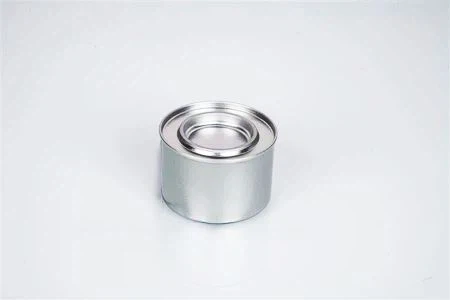
Potential Health Risks
While Alcohol Gel Fuel is generally considered safe when used as directed, there are still some potential health risks that consumers should be aware of. These risks primarily stem from the combustion process and the release of certain chemicals into the air.
1. Carbon Monoxide (CO)
One of the most significant health risks associated with any type of fuel combustion is the production of carbon monoxide (CO). CO is a colorless, odorless gas that can be extremely dangerous when inhaled in high concentrations. It binds to hemoglobin in the blood, preventing it from carrying oxygen to the body's tissues and organs, which can lead to headaches, dizziness, nausea, confusion, and even death.
However, when Alcohol Gel Fuel is burned in a well-ventilated area, the risk of CO poisoning is relatively low. Ethanol burns cleanly and produces less CO compared to other fuels, such as gasoline or wood. Additionally, most Alcohol Gel Fuel products are designed to burn efficiently, which further reduces the production of CO.
To minimize the risk of CO poisoning, it is important to always use Alcohol Gel Fuel in a well-ventilated area. This means opening windows and doors or using a ventilation system to ensure that fresh air is constantly circulating. It is also recommended to avoid using Alcohol Gel Fuel in enclosed spaces, such as tents or small rooms, without proper ventilation.
2. Volatile Organic Compounds (VOCs)
Another potential health risk associated with Alcohol Gel Fuel is the release of volatile organic compounds (VOCs) into the air. VOCs are a group of chemicals that can evaporate easily at room temperature and can have a variety of health effects, including irritation of the eyes, nose, and throat, headaches, dizziness, and respiratory problems.
The amount of VOCs released by Alcohol Gel Fuel depends on several factors, including the type of alcohol used, the gelling agent, and the combustion conditions. Ethanol is a relatively low-VOC fuel compared to other types of alcohol, such as methanol or isopropyl alcohol. However, some gelling agents and additives used in Alcohol Gel Fuel may contain VOCs, which can increase the overall emissions.
To reduce the risk of exposure to VOCs, it is important to choose Alcohol Gel Fuel products that are labeled as low-VOC or VOC-free. These products are formulated to minimize the release of harmful chemicals into the air. It is also recommended to use Alcohol Gel Fuel in a well-ventilated area and to avoid prolonged exposure to the fumes.
3. Skin and Eye Irritation
In addition to the risks associated with inhalation, Alcohol Gel Fuel can also cause skin and eye irritation if it comes into contact with the skin or eyes. Ethanol is a mild irritant that can cause dryness, redness, and itching of the skin. If it gets into the eyes, it can cause irritation, burning, and temporary vision problems.
To prevent skin and eye irritation, it is important to always wear protective gloves and goggles when handling Alcohol Gel Fuel. It is also recommended to avoid touching your face or eyes after handling the fuel and to wash your hands thoroughly with soap and water.
Safety Precautions
To ensure the safe use of Alcohol Gel Fuel, it is important to follow these safety precautions:
- Read and follow the instructions: Always read the product label and follow the manufacturer's instructions carefully. This includes information on how to use the fuel, how to store it, and what to do in case of an emergency.
- Use in a well-ventilated area: As mentioned earlier, it is important to always use Alcohol Gel Fuel in a well-ventilated area to minimize the risk of CO poisoning and exposure to VOCs.
- Keep away from flammable materials: Alcohol Gel Fuel is highly flammable, so it is important to keep it away from open flames, sparks, and other flammable materials. This includes keeping it away from curtains, furniture, and other combustible items.
- Store properly: Alcohol Gel Fuel should be stored in a cool, dry place away from direct sunlight and heat sources. It should also be kept out of reach of children and pets.
- Do not overfill containers: When using Alcohol Gel Fuel, it is important to not overfill the container. This can cause the fuel to spill and increase the risk of fire.
- Extinguish flames properly: When you are finished using Alcohol Gel Fuel, it is important to extinguish the flames properly. This can be done by covering the container with a lid or using a fire extinguisher.
Conclusion
In conclusion, while there are some potential health risks associated with Alcohol Gel Fuel, these risks can be minimized by following the proper safety precautions. When used as directed, Alcohol Gel Fuel is a safe and convenient alternative to other types of fuels. It burns cleanly, efficiently, and produces fewer harmful emissions compared to other fuels, making it a popular choice for a variety of applications.
As a supplier of Alcohol Gel Fuel, I am committed to providing high-quality products that meet the highest safety standards. Gel Of Bio Ethanol and Buffet Fuel are among our popular offerings, which are carefully formulated to ensure clean and efficient combustion.
If you have any questions or concerns about the health risks associated with Alcohol Gel Fuel or if you are interested in purchasing our products, please feel free to contact us. We are always happy to assist you and provide you with the information you need to make an informed decision.
References
- American Lung Association. (2023). Carbon Monoxide Poisoning. Retrieved from [URL]
- Centers for Disease Control and Prevention. (2023). Volatile Organic Compounds (VOCs) in Indoor Air. Retrieved from [URL]
- National Fire Protection Association. (2023). Flammable and Combustible Liquids Code. Retrieved from [URL]