

Can Gel Chafing Fuel be used in chafing dishes with a high - heat output requirement?
Hey there! As a supplier of Gel Chafing Fuel, I often get asked whether our gel chafing fuel can be used in chafing dishes with a high - heat output requirement. Well, let's dig into this topic and find out.
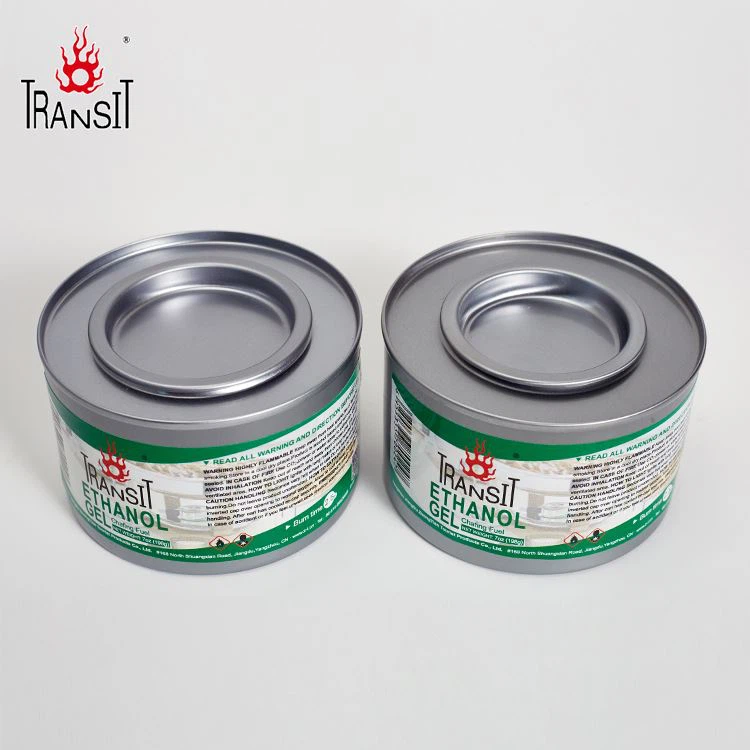
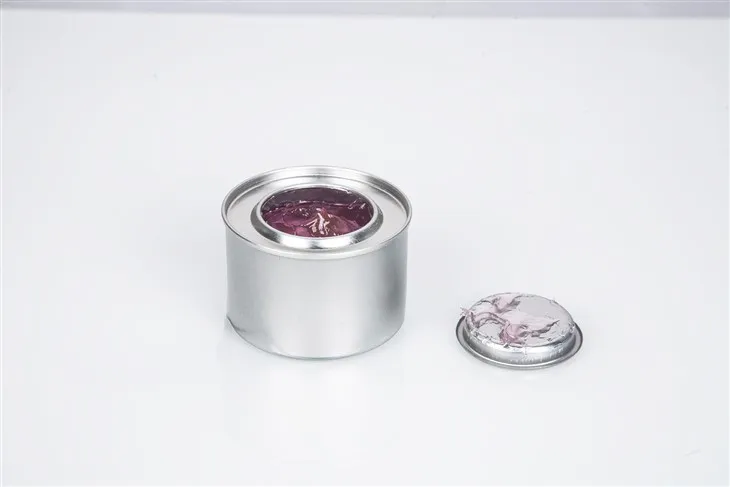
First off, let's understand what gel chafing fuel is. Gel chafing fuel is a convenient and safe alternative to traditional liquid fuels. It comes in a gel form, which makes it less likely to spill compared to liquid fuels. You can find different types of gel chafing fuel on our website, like Bioethanol Fire Gel, Catering Fuel Gel, and Chafing Dish Fuel.
Now, the big question: Can it handle high - heat output requirements?
The Science Behind Gel Chafing Fuel
Gel chafing fuel works by burning a gel - based fuel source. The gel is usually made up of a combustible substance, like ethanol, and a thickening agent that gives it the gel consistency. When you light the gel, the ethanol starts to vaporize and burn, releasing heat.
The heat output of gel chafing fuel depends on a few factors. One of the main factors is the composition of the gel. Different formulations of gel chafing fuel can have different heat outputs. Some gels are designed to burn hotter and faster, while others are made for a more sustained, lower - heat burn.
Another factor is the amount of gel you use. Generally, using more gel will result in a higher heat output. However, you need to be careful not to overfill the fuel canister, as this can be a safety hazard.
High - Heat Output Chafing Dishes
Chafing dishes with high - heat output requirements are often used in commercial catering settings, where large amounts of food need to be kept hot quickly. These chafing dishes typically have larger food pans and need more heat to maintain the desired temperature.
When it comes to using gel chafing fuel in high - heat output chafing dishes, it's important to consider the limitations of the fuel. Gel chafing fuel may not be able to provide the same level of heat as some other fuel sources, like liquid propane or butane.
However, that doesn't mean it can't be used at all. In many cases, gel chafing fuel can still do a pretty good job of keeping food hot in high - heat output chafing dishes. You just need to make sure you're using the right type of gel and the right amount.
Advantages of Using Gel Chafing Fuel in High - Heat Situations
There are several advantages to using gel chafing fuel in chafing dishes with high - heat output requirements.
Safety
One of the biggest advantages is safety. Gel chafing fuel is much less likely to spill or splash compared to liquid fuels. This means there's less risk of fire or burns if the chafing dish is accidentally knocked over.
Convenience
Gel chafing fuel is also very convenient to use. It comes in pre - measured containers, so you don't have to worry about measuring out the right amount of fuel. You can simply light the gel and let it burn.
Clean Burning
Gel chafing fuel burns cleanly, which means there's less soot and smoke produced compared to some other fuel sources. This is important in a catering environment, where you don't want to have a smoky or smelly kitchen.
Disadvantages of Using Gel Chafing Fuel in High - Heat Situations
Of course, there are also some disadvantages to using gel chafing fuel in high - heat output chafing dishes.
Lower Heat Output
As mentioned earlier, gel chafing fuel may not be able to provide the same level of heat as some other fuel sources. This means it may take longer to heat up the food in the chafing dish, and it may be more difficult to maintain a high temperature.
Shorter Burn Time
Gel chafing fuel also tends to have a shorter burn time compared to some other fuel sources. This means you may need to replace the fuel more frequently, especially in high - heat situations.
Tips for Using Gel Chafing Fuel in High - Heat Output Chafing Dishes
If you decide to use gel chafing fuel in a high - heat output chafing dish, here are some tips to help you get the best results:
- Choose the right type of gel: Look for a gel chafing fuel that is specifically designed for high - heat applications. These gels usually have a higher ethanol content and are formulated to burn hotter.
- Use the right amount of gel: Make sure you're using enough gel to provide the necessary heat. However, don't overfill the fuel canister. Follow the manufacturer's instructions for the recommended amount of gel to use.
- Position the chafing dish correctly: Place the chafing dish in a well - ventilated area, away from any flammable materials. Make sure the fuel canister is centered under the food pan to ensure even heat distribution.
- Monitor the temperature: Keep an eye on the temperature of the food in the chafing dish. If the temperature starts to drop, you may need to add more gel or replace the fuel canister.
Conclusion
So, can gel chafing fuel be used in chafing dishes with a high - heat output requirement? The answer is yes, but with some limitations. Gel chafing fuel can be a safe and convenient option for keeping food hot in high - heat output chafing dishes, but you need to choose the right type of gel and use it correctly.
If you're in the market for gel chafing fuel, check out our Bioethanol Fire Gel, Catering Fuel Gel, and Chafing Dish Fuel. We offer a variety of gel chafing fuel products to meet your needs.
If you have any questions or want to discuss your specific requirements, feel free to reach out. We're here to help you find the best gel chafing fuel solution for your catering needs.
References
- "Combustion Science and Engineering." Various academic sources on the principles of combustion, which explain how different fuel types burn and produce heat.
- Manufacturer's guidelines for gel chafing fuel products, which provide information on heat output, usage, and safety.
- Industry reports on catering equipment and fuel sources, which discuss the performance of different fuels in high - heat chafing dishes.