

Can Firepot Fuel be used in cold weather?
As a supplier of Firepot Fuel, I often get asked whether our products can be used in cold weather. This is a crucial question, especially for customers who want to enjoy the warmth and ambiance of a fire during the colder months. In this blog post, I'll delve into the science behind using Firepot Fuel in cold conditions and provide you with all the information you need to make an informed decision.
Understanding Firepot Fuel
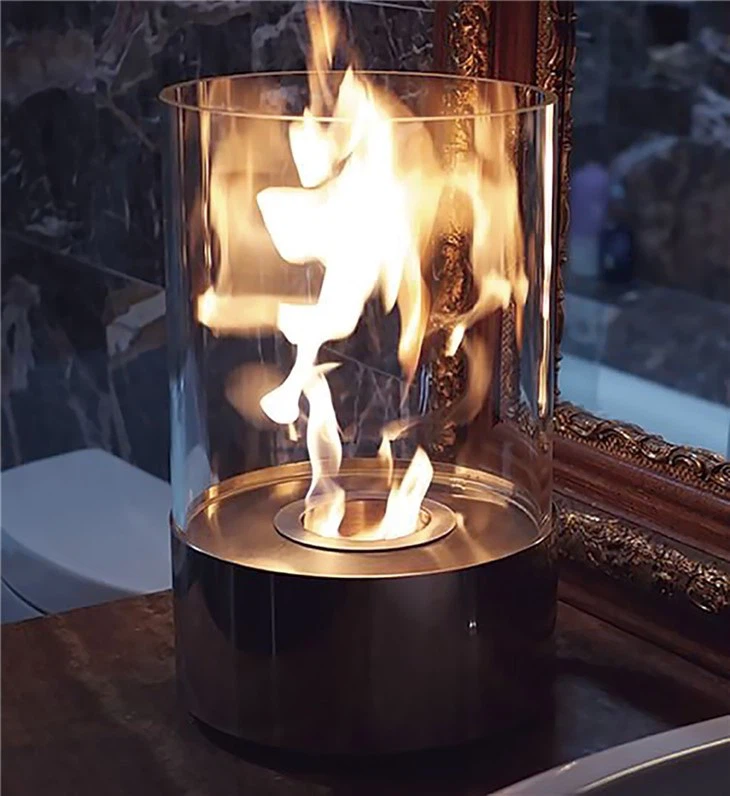
Before we discuss the performance of Firepot Fuel in cold weather, let's first understand what it is. We offer a variety of Firepot Fuel products, including Fireplace Fuel Ethanol, Firepot Fuel Gel, and Tabletop Fireplace Fuel. Each type of fuel has its own unique characteristics and advantages.
- Fireplace Fuel Ethanol: Ethanol is a clean - burning fuel that produces a bright, steady flame. It is made from renewable resources, making it an environmentally friendly choice. Ethanol fires are easy to install and maintain, and they can be used both indoors and outdoors.
- Firepot Fuel Gel: Fuel gel is a thick, viscous substance that burns slowly and steadily. It is often used in fire pits and tabletop fireplaces. The gel form makes it easy to control the flame and prevents spills, making it a safe option for home use.
- Tabletop Fireplace Fuel: This type of fuel is specifically designed for small, tabletop fireplaces. It provides a convenient and portable way to add a touch of warmth and charm to any outdoor or indoor gathering.
The Impact of Cold Weather on Firepot Fuel
Cold weather can have several effects on Firepot Fuel, and understanding these effects is key to using our products effectively in low - temperature conditions.
Viscosity Changes
One of the primary effects of cold weather on fuel gel is an increase in viscosity. As the temperature drops, the gel becomes thicker and more difficult to pour. This can make it challenging to refill the firepot or adjust the amount of fuel being used. However, our Firepot Fuel Gel is formulated to have a relatively stable viscosity over a wide range of temperatures. While it may thicken slightly in cold weather, it can still be easily handled with a little patience.
Ignition Challenges
Cold temperatures can also make it more difficult to ignite the fuel. Both ethanol and fuel gel require a certain amount of heat to start burning. In cold weather, the surrounding air and the fuel itself are colder, which means that more energy is needed to reach the ignition point. To overcome this challenge, it's important to use a reliable ignition source, such as a long - reach lighter or a fire starter. Additionally, pre - heating the firepot slightly can help improve ignition.
Flame Performance
The flame performance of Firepot Fuel can be affected by cold weather. In colder temperatures, the flame may burn less brightly and steadily compared to warmer conditions. This is because the cold air can cool the fuel and the combustion process, reducing the efficiency of the burn. However, our products are designed to maintain a good flame quality even in cold weather. The ethanol in our fireplace fuel has a relatively low freezing point, which allows it to continue burning effectively. Similarly, our fuel gel is formulated to provide a consistent burn, regardless of the temperature.
Tips for Using Firepot Fuel in Cold Weather
To ensure the best performance of our Firepot Fuel in cold weather, here are some useful tips:
Storage
Store the fuel in a warm place before use. Keeping the fuel at a moderate temperature will help maintain its viscosity and make it easier to handle. If possible, bring the fuel indoors for a few hours before refilling the firepot.
Ignition
As mentioned earlier, use a reliable ignition source. A long - reach lighter or a fire starter can provide the extra heat needed to ignite the fuel in cold conditions. You can also try pre - heating the firepot by holding a heat source, such as a hair dryer, over it for a few minutes.
Flame Adjustment
If you notice that the flame is not burning as brightly or steadily as usual, you may need to adjust the amount of fuel. Adding a little more fuel can sometimes help improve the flame performance. However, be careful not to overfill the firepot, as this can be dangerous.

Case Studies
To illustrate the effectiveness of our Firepot Fuel in cold weather, let's look at a few case studies.
Outdoor Wedding in Winter
A customer used our Tabletop Fireplace Fuel for an outdoor wedding in the middle of winter. The temperature was around freezing, but the fireplaces provided a warm and inviting atmosphere for the guests. The fuel burned steadily throughout the event, despite the cold weather. The bride and groom were very satisfied with the performance of the tabletop fireplaces, and they noted that the fuel was easy to ignite and maintain.
Patio Gathering on a Cold Night
Another customer hosted a patio gathering on a cold evening. They used our Firepot Fuel Gel in their fire pit. Although the gel thickened slightly in the cold, it was still easy to pour into the fire pit. The fire burned brightly and provided enough warmth for the guests to enjoy the evening outdoors. The customer was impressed with how well the fuel gel performed in the cold weather and said they would definitely use it again.
Conclusion
In conclusion, our Firepot Fuel products can be used effectively in cold weather with the right precautions. While cold temperatures can present some challenges, such as increased viscosity and ignition difficulties, our fuels are formulated to perform well even in low - temperature conditions. Whether you're using Fireplace Fuel Ethanol, Firepot Fuel Gel, or Tabletop Fireplace Fuel, you can still enjoy the warmth and beauty of a fire during the colder months.
If you're interested in purchasing our Firepot Fuel products or have any questions about using them in cold weather, please don't hesitate to contact us. We're here to provide you with the best advice and support to ensure that you have a great experience with our fuels.
References
- "Combustion Science and Engineering" by Richard Strehlow. This book provides in - depth knowledge about the combustion process and how it is affected by various factors, including temperature.
- "Fire Safety Handbook" by National Fire Protection Association. It offers valuable information on the safe use and handling of different types of fuels, which is relevant to our Firepot Fuel products.