

Can Hexamine Tablets be used for curing resins?
Hexamine tablets, also known as fuel tablets, have long been recognized for their utility in various applications, especially as a reliable source of heat. As a prominent supplier of hexamine tablets, I've often encountered inquiries about their potential use in curing resins. In this blog, we'll delve into the science behind resin curing, explore the properties of hexamine tablets, and assess whether they can be a viable option for resin curing.

Understanding Resin Curing
Resin curing is a chemical process that transforms a liquid resin into a solid, durable material. This transformation is typically achieved through a reaction between the resin and a curing agent, which can be heat, a catalyst, or a combination of both. The curing process is crucial as it determines the final properties of the resin, such as its strength, hardness, and chemical resistance.
There are different types of resins, each with its own curing requirements. For instance, epoxy resins often require a specific ratio of resin to hardener and can be cured at room temperature or with the application of heat. Polyester resins, on the other hand, usually need a catalyst and may also benefit from heat to speed up the curing process.
Properties of Hexamine Tablets
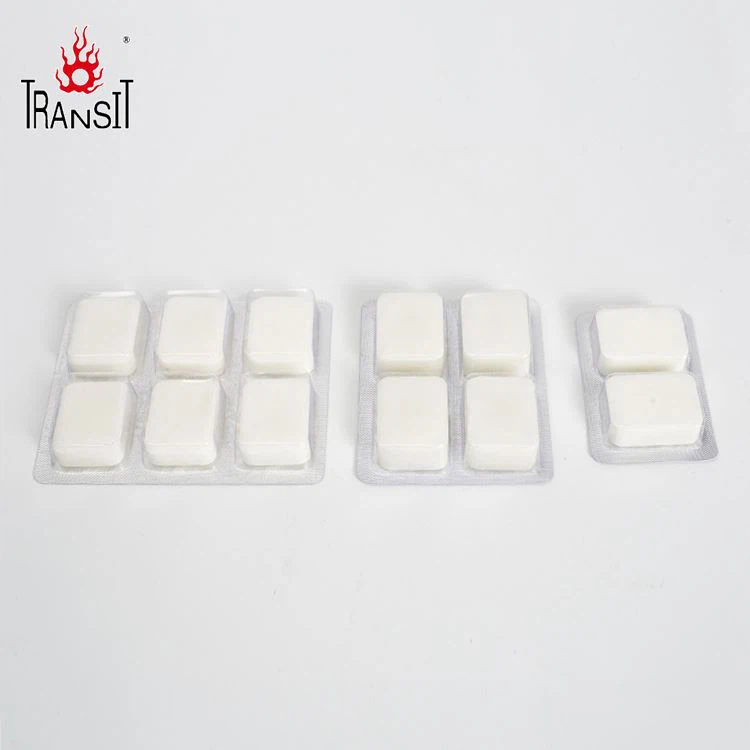
Hexamine tablets, available at Fuel Tablets, are made from hexamethylenetetramine, a white crystalline powder. They are highly flammable and burn with a clean, smokeless flame, releasing a significant amount of heat. These tablets are commonly used as Solid Fuel Tablets for Camping and Cooking Fuel Tablets due to their portability, long shelf - life, and ease of use.
When hexamine tablets burn, they undergo an exothermic reaction, producing heat, carbon dioxide, and water vapor. The heat generated can reach relatively high temperatures, which makes them a potentially attractive option for processes that require thermal energy, such as resin curing.
Can Hexamine Tablets be Used for Curing Resins?
The answer to whether hexamine tablets can be used for curing resins is not straightforward. It depends on several factors, including the type of resin, the curing requirements, and the specific application.
Advantages
- Heat Source: Hexamine tablets can provide a consistent and controllable source of heat. This can be beneficial for resins that require a specific temperature range for curing. For example, some resins may need to be cured at a relatively low temperature over an extended period, and the slow - burning nature of hexamine tablets can provide a steady heat supply.
- Portability: As a supplier, I know that the portability of hexamine tablets is a major advantage. They can be easily transported to different locations, making them suitable for on - site resin curing applications, such as in construction or automotive repair.
Disadvantages
- Contamination Risk: When hexamine tablets burn, they release by - products such as carbon dioxide and water vapor. While these are generally harmless, there is a risk that the burning process could introduce contaminants into the resin. For high - performance resins where purity is crucial, this could be a significant drawback.
- Temperature Control: Although hexamine tablets can provide heat, it can be challenging to precisely control the temperature. Resins often have specific curing temperature profiles, and deviations from these profiles can lead to incomplete curing or reduced mechanical properties.
- Safety Concerns: Hexamine tablets are flammable, and their use requires proper safety precautions. In a resin - curing environment, there may be additional risks associated with the presence of volatile organic compounds (VOCs) in the resin, which could increase the risk of fire or explosion.
Case Studies and Practical Considerations
In some small - scale applications, hexamine tablets have been used successfully for resin curing. For example, in hobbyist woodworking projects where epoxy resin is used to bond joints, a hexamine tablet can be used to gently heat the area and speed up the curing process. However, in industrial settings, where large - scale and high - quality resin curing is required, other methods such as oven curing or the use of specialized heating equipment are more commonly employed.
If you're considering using hexamine tablets for resin curing, it's essential to conduct small - scale tests first. This will help you determine if the heat output is suitable for your resin and if there are any compatibility issues. You should also ensure that you have appropriate safety measures in place, such as proper ventilation and fire - suppression equipment.
Conclusion
Hexamine tablets have the potential to be used for resin curing, but their suitability depends on the specific requirements of the resin and the application. While they offer advantages such as portability and a heat source, there are also significant challenges, including contamination risk, temperature control, and safety concerns.
As a supplier of hexamine tablets, I'm always willing to work with customers to explore different applications. If you're interested in using hexamine tablets for resin curing or have any questions about our products, I encourage you to reach out. We can discuss your needs in detail and provide you with the information you need to make an informed decision. Whether you're a hobbyist or an industrial user, we're here to support you in finding the right solution for your resin - curing requirements.
References
- "Handbook of Epoxy Resins" by Henry Lee and Kris Neville
- "Polymer Chemistry: An Introduction" by Malcolm P. Stevens
- Technical literature on hexamine tablets from chemical manufacturers