

Can I use chafing dish fuel for a chafing dish with a brass burner?
As a supplier of Chafing Dish Fuel, I often receive various questions from customers. One common query that has caught my attention is: "Can I use chafing dish fuel for a chafing dish with a brass burner?" In this blog, I'll delve into this topic, providing you with comprehensive insights and scientific explanations.
Understanding Chafing Dish Fuel
First, let's understand what chafing dish fuel is. Chafing dish fuel is specifically designed to provide a consistent and controlled heat source for chafing dishes, which are commonly used in catering, buffets, and other food - serving events. There are different types of chafing dish fuels available in the market.
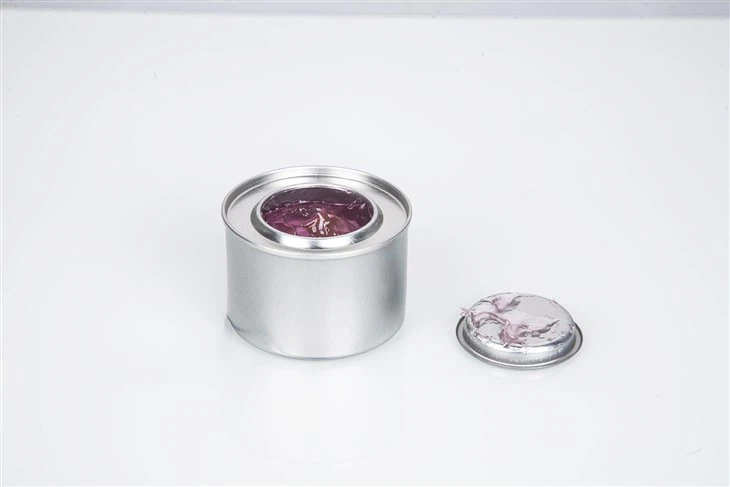
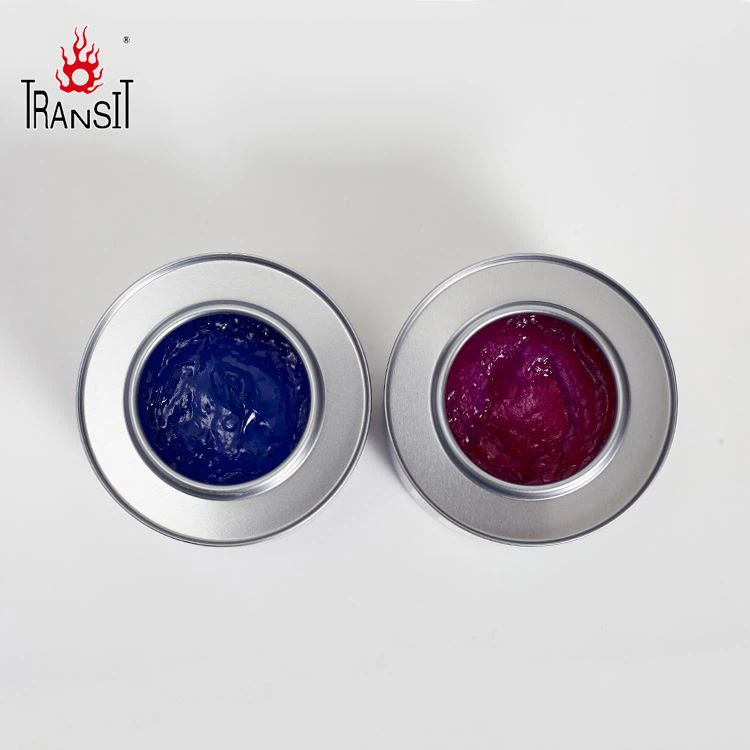
One popular type is the Canned Heat Ethanol Gel. Ethanol gel fuels are known for their clean - burning properties. They produce minimal soot and odors, making them an ideal choice for indoor use. Ethanol is a renewable resource, and when burned, it mainly releases carbon dioxide and water vapor, which is relatively environmentally friendly.
Another type is Chafing Dish Fuel, which can come in various formulations. Some are based on alcohol, such as the Alcohol Gel Fuel. These fuels are often easy to ignite and provide a steady flame, ensuring that the food in the chafing dish stays warm for an extended period.
The Brass Burner in Chafing Dishes
Brass is a widely used metal in the construction of chafing dish burners. It is an alloy composed mainly of copper and zinc. Brass has several properties that make it suitable for this application. Firstly, it has good heat conductivity, which means it can efficiently transfer the heat from the fuel to the chafing dish above. Secondly, brass is relatively corrosion - resistant, which is important as it is exposed to the heat and sometimes moisture during use.
Compatibility of Chafing Dish Fuel with Brass Burners
Now, let's address the main question: Can you use chafing dish fuel for a chafing dish with a brass burner? The answer is generally yes, but there are some factors to consider.
Chemical Compatibility
Most chafing dish fuels, especially those based on ethanol or other alcohols, are chemically compatible with brass. Ethanol is a relatively mild chemical that does not react aggressively with brass under normal conditions. However, some lower - quality fuels may contain impurities or additives that could potentially react with the brass over time. For example, if a fuel contains high levels of sulfur or other reactive compounds, it could cause the brass to tarnish or corrode.
When using Canned Heat Ethanol Gel, you can be more confident in its chemical compatibility with brass. Ethanol gel fuels are typically formulated to be pure and clean - burning, reducing the risk of any adverse chemical reactions with the brass burner.
Heat Distribution and Performance
The performance of the chafing dish fuel in a brass burner is also an important aspect. A good chafing dish fuel should provide a consistent and even heat distribution. Brass burners are designed to work well with fuels that produce a stable flame. Ethanol - based fuels, such as Alcohol Gel Fuel, usually burn with a steady flame, which allows the brass burner to transfer heat evenly to the chafing dish.
However, if the fuel burns too hot or unevenly, it could cause local overheating of the brass burner. This can lead to warping or damage to the burner over time. It's important to choose a chafing dish fuel that is rated for the specific size and type of your chafing dish and brass burner.
Safety Considerations
Safety is always a top priority when using chafing dish fuel. When using any fuel with a brass burner, make sure to follow the manufacturer's instructions carefully. Ensure that the burner is placed on a stable and heat - resistant surface.
Some fuels may require specific ignition methods. For example, ethanol gel fuels are often ignited using a long - stemmed lighter to keep your hands away from the flame. If the fuel is not ignited properly, it could lead to flare - ups or other safety hazards.
Advantages of Using Compatible Chafing Dish Fuel with Brass Burners
- Efficient Heating: When the fuel is compatible with the brass burner, it can provide efficient heating. The brass burner can transfer the heat effectively to the chafing dish, keeping the food at the desired temperature for longer periods.
- Long - term Durability: Using a compatible fuel helps to maintain the integrity of the brass burner. It reduces the risk of corrosion and damage, ensuring that the burner has a longer lifespan.
- Clean and Safe Operation: Ethanol - based chafing dish fuels, when used with brass burners, offer a clean and safe operation. They produce minimal smoke and odors, which is ideal for indoor settings where people are dining.
Tips for Using Chafing Dish Fuel with Brass Burners
- Read the Labels: Always read the labels on the chafing dish fuel carefully. They will provide information on compatibility, usage instructions, and safety precautions.
- Inspect the Burner Regularly: Check the brass burner for any signs of damage or corrosion before each use. If you notice any issues, replace the burner or consult a professional.
- Store the Fuel Properly: Store the chafing dish fuel in a cool, dry place away from direct sunlight and sources of heat. This helps to maintain the quality of the fuel and reduces the risk of fire hazards.
Conclusion
In conclusion, you can generally use chafing dish fuel for a chafing dish with a brass burner. However, it's crucial to choose a high - quality fuel that is chemically compatible with brass and provides a consistent and safe heat source. As a supplier of Chafing Dish Fuel, I recommend products like Canned Heat Ethanol Gel and Alcohol Gel Fuel for their clean - burning properties and compatibility with brass burners.
If you're in the market for chafing dish fuel, whether for a small catering event or a large - scale buffet, I encourage you to reach out to discuss your specific needs. We can provide you with the right products and advice to ensure a successful and safe food - serving experience.

References
- "Handbook of Fuels and Lubricants" by George Totten.
- "Metals in Engineering" by John Smith.
- Manufacturer's guidelines for chafing dish fuels and brass burners.