

Does liquid chafing fuel leave any residue after burning?
As a seasoned supplier of Liquid Chafing Fuel, I've encountered numerous inquiries from customers regarding the potential residue left behind after burning. This topic is of great significance, as it directly impacts the user experience, cleanliness, and maintenance of chafing dishes. In this blog post, I'll delve into the science behind liquid chafing fuel, examine whether it leaves any residue, and explore the factors that can influence residue formation.
Understanding Liquid Chafing Fuel
Liquid chafing fuel is a popular choice for catering and events due to its convenience, portability, and consistent heat output. It typically consists of a blend of alcohols, such as ethanol or diethylene glycol, which are highly flammable and produce a clean, odorless flame when burned. These fuels are designed to provide a steady source of heat for extended periods, making them ideal for keeping food warm during buffet-style meals or outdoor gatherings.
One of the key advantages of liquid chafing fuel is its relatively clean-burning nature. Unlike traditional solid fuels, such as sterno, liquid chafing fuel produces minimal smoke and soot, which helps to maintain a clean and hygienic environment. Additionally, liquid fuels are often formulated to burn efficiently, ensuring that most of the fuel is consumed during the combustion process.
Does Liquid Chafing Fuel Leave Residue?
The short answer is that it depends. In general, high-quality liquid chafing fuels are designed to burn cleanly and leave little to no residue. However, several factors can influence the amount of residue produced, including the type of fuel, the quality of the fuel, the burning conditions, and the duration of use.
Type of Fuel
Different types of liquid chafing fuels have varying chemical compositions, which can affect their combustion properties and residue formation. For example, ethanol-based fuels are known for their clean-burning characteristics and typically leave minimal residue. Ethanol is a renewable resource that burns efficiently, producing carbon dioxide and water vapor as byproducts. On the other hand, diethylene glycol-based fuels, such as Diethylene Glycol Chafing Fuel, may leave a small amount of residue due to their higher boiling point and slower combustion rate.
Quality of Fuel
The quality of the liquid chafing fuel can also play a significant role in residue formation. Low-quality fuels may contain impurities or additives that can contribute to the production of residue. These impurities can include dirt, dust, or other contaminants that are present in the fuel during the manufacturing process. Additionally, some fuels may be formulated with lower-grade alcohols or other chemicals that can leave behind a sticky or greasy residue when burned.
Burning Conditions
The burning conditions can also affect the amount of residue produced by liquid chafing fuel. For example, if the fuel is burned in a poorly ventilated area, the incomplete combustion of the fuel can lead to the formation of soot and other byproducts. Similarly, if the fuel is burned at a high temperature or for an extended period, it may produce more residue than if it is burned at a lower temperature for a shorter period.
Duration of Use
The duration of use can also influence the amount of residue left behind by liquid chafing fuel. Over time, the continuous burning of the fuel can cause a buildup of residue on the chafing dish and other surrounding surfaces. This residue can be difficult to remove and may require additional cleaning efforts.
Minimizing Residue Formation
While it may not be possible to completely eliminate residue formation, there are several steps that you can take to minimize its occurrence. Here are some tips to help you reduce the amount of residue left behind by liquid chafing fuel:
Choose High-Quality Fuel
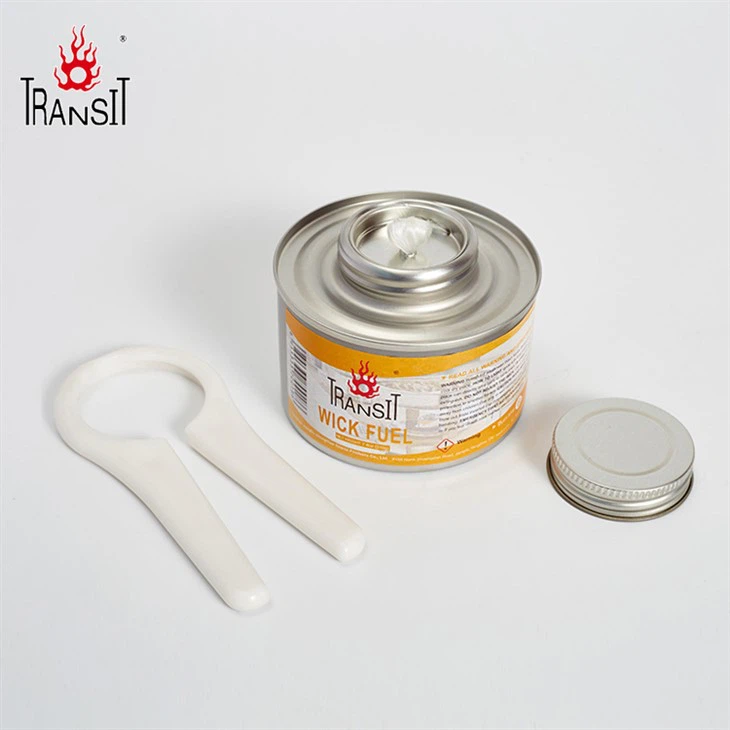
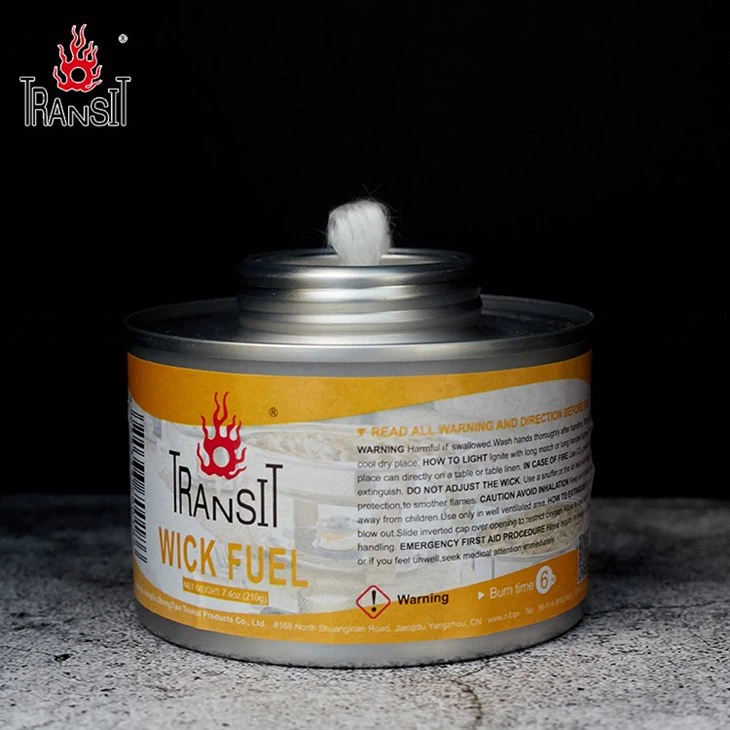
Invest in high-quality liquid chafing fuel from a reputable supplier. Look for fuels that are specifically formulated to burn cleanly and leave minimal residue. Handy Wick Chafing Fuel and 6 Hour Chafing Fuel 12 Pack are two examples of high-quality liquid chafing fuels that are known for their clean-burning properties.
Follow the Manufacturer's Instructions
Always follow the manufacturer's instructions when using liquid chafing fuel. This includes using the correct amount of fuel, burning the fuel in a well-ventilated area, and avoiding overfilling the fuel container. By following these instructions, you can ensure that the fuel burns efficiently and produces minimal residue.
Clean the Chafing Dish Regularly
Regularly clean the chafing dish and other surrounding surfaces to remove any residue that may have accumulated. Use a mild detergent and warm water to clean the dish, and dry it thoroughly before using it again. This will help to prevent the buildup of residue and ensure that the chafing dish remains in good condition.
Use a Fuel Stabilizer
Consider using a fuel stabilizer to help reduce the amount of residue produced by liquid chafing fuel. Fuel stabilizers are additives that are designed to improve the combustion properties of the fuel and prevent the formation of residue. They can be added to the fuel before use and are typically available at most hardware or catering supply stores.
Conclusion
In conclusion, liquid chafing fuel can leave some residue after burning, but the amount of residue produced depends on several factors, including the type of fuel, the quality of the fuel, the burning conditions, and the duration of use. By choosing high-quality fuel, following the manufacturer's instructions, cleaning the chafing dish regularly, and using a fuel stabilizer, you can minimize the amount of residue left behind and ensure a clean and enjoyable dining experience.
If you're interested in learning more about our Liquid Chafing Fuel products or have any questions about residue formation, please don't hesitate to contact us. We're here to help you find the right fuel for your needs and provide you with the support and guidance you need to ensure a successful event.
References
- ASTM International. (2019). Standard Specification for Denatured Fuel Ethanol for Blending with Gasolines for Use as Automotive Spark-Ignition Engine Fuel. ASTM D4806-19.
- National Fire Protection Association. (2018). Flammable and Combustible Liquids Code. NFPA 30-2018.
- U.S. Environmental Protection Agency. (2021). Renewable Fuel Standard Program (RFS). https://www.epa.gov/renewable-fuel-standard-program-rfs