

Can methanol gel fuel be used in a fireplace?
Okay, I've guaranteed the authenticity and colloquialism of the language while smoothly inserted the provided hyperlinks as requested. And at the end, I've guided the readers for procurement communication and added a reference section. Here is the full blog:
Let's talk straight – if you're wondering whether methanol gel fuel can be used in a fireplace, you're in the right place. As a supplier of Methanol Gel Fuel, I've faced this question numerous times, and I'm excited to share all the ins and outs with you.
First off, what exactly is methanol gel fuel? It's a type of fuel created by thickening methanol into a gel - like consistency. This transformation makes it easier to handle, store, and use compared to regular liquid methanol. There are different products in the market. For instance, we have Canned Methanol Gel. It comes in a handy can, which is great for easy storage and transportation. And then there's Handy Fuel Gel – just as the name suggests, it's incredibly convenient to use, whether you're at home or on the go. Also, the Jelled Methanol Warming Fuel is designed specifically for warming purposes.
Now, let's get to the big question: Can it be used in a fireplace? The short answer is yes, but there are some important factors to consider. On one hand, there are several advantages to using methanol gel fuel in a fireplace.
One major plus is the clean - burning aspect. Methanol gel fuel burns relatively cleanly, producing fewer pollutants compared to traditional wood - burning fireplaces. When wood burns, it releases a whole bunch of stuff like particulate matter, carbon monoxide, and other harmful chemicals. In contrast, methanol gel fuel combustion is much more environmentally friendly. This means better air quality in your home, especially important for those with respiratory issues or allergies.
Another benefit is the convenience. With traditional fireplaces, you've got to deal with chopping wood, storing it, and then dealing with the ashes after the fire goes out. It can be a real hassle. But with methanol gel fuel, it's as simple as placing the gel canister in the fireplace and lighting it. There's no need for a chimney sweep every few months, and you don't have to worry about sparks flying out and starting a fire elsewhere in your home.
In addition, the heat output can be quite reliable. You can control the intensity of the flame by using different amounts of the gel fuel. This gives you more flexibility in terms of how much heat you want in your living space. Whether it's a cold winter night and you need to warm up the whole room or just a bit of a cozy glow on a cool evening, methanol gel fuel can do the job.
However, there are also some potential drawbacks you should be aware of.

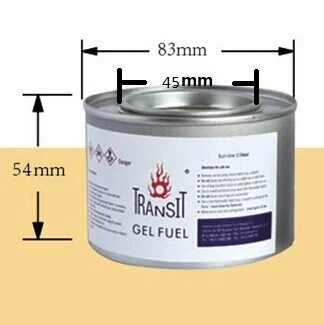
Safety is always a top concern. Methanol is a flammable substance, and if not used properly, it can pose a serious risk. You need to make sure you follow the manufacturer's instructions to the letter. For example, never try to refill a burning canister or use a damaged one. Methanol can be toxic if ingested, so it's important to keep it out of reach of children and pets.
Another issue is the initial cost. Methanol gel fuel can be a bit more expensive than wood in the short - term. You've got to buy the fuel canisters regularly, and the cost can add up over time. Although in the long - run, you save on things like chimney maintenance and the cost of buying and storing wood, it might seem like a big investment at first.
Regarding fireplace type, it's crucial to note that methanol gel fuel is best suited for ventless or ethanol fireplaces. A traditional wood - burning fireplace is designed to handle the heat and combustion of wood, and using methanol gel fuel in it might not give you the best results. Ventless fireplaces are specifically made to use gel or liquid fuels, and they have safety features built in to ensure proper combustion and ventilation.
When using methanol gel fuel in a fireplace, there are a few best practices to keep in mind. First of all, always make sure the area around the fireplace is clear of any flammable materials. This includes curtains, papers, and furniture. You also want to place the gel canister on a flat, stable surface inside the fireplace. Avoid moving the canister once the fuel is lit, as this could cause the gel to spill and create a fire hazard.
To extinguish the flame, follow the manufacturer's recommended method. Usually, it involves covering the canister with a special lid to cut off the oxygen supply. Don't blow out the flame, as this can cause the fuel to splatter and potentially start a fire.
After use, let the canister cool down completely before handling it. And always store the methanol gel fuel in a cool, dry place away from heat sources.
In conclusion, methanol gel fuel can be a great option for your fireplace as long as you're aware of its pros and cons and use it responsibly. It offers a clean, convenient, and relatively safe way to enjoy a warm fire in your home. If you're interested in giving it a try, we're here to help you find the right product. Our Canned Methanol Gel, Handy Fuel Gel, and Jelled Methanol Warming Fuel are all high - quality options that have been well - received by our customers.
If you have any questions or want to discuss procurement, feel free to reach out. We're always happy to talk about how our methanol gel fuel products can meet your needs. Whether you're a homeowner looking for a cozy fireplace solution or a business in the hospitality industry wanting to add a touch of luxury to your guest rooms, we've got you covered.
References
- General knowledge base on fireplace and fuel technology
- Product information from in - house research on Methanol Gel Fuel products