

Does Buffet Fuel cause any jitters?
As a supplier of Buffet Fuel, I've received numerous inquiries about whether Buffet Fuel causes any jitters. This concern is not unfounded, especially when it comes to the substances we use in food - service settings. In this blog, I'll explore this topic from a scientific perspective, drawing on relevant research and industry knowledge.
Understanding Buffet Fuel
Buffet Fuel is a crucial component in the food - service industry, ensuring that hot dishes remain at the appropriate temperature during service. There are different types of buffet fuels available on the market, each with its own set of characteristics.
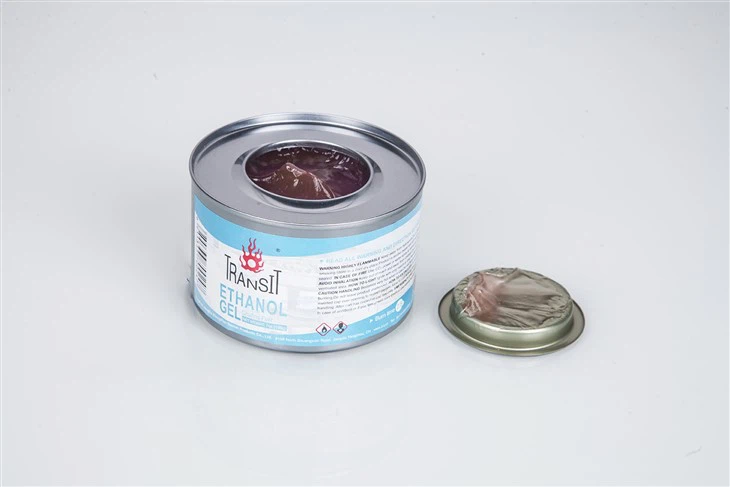
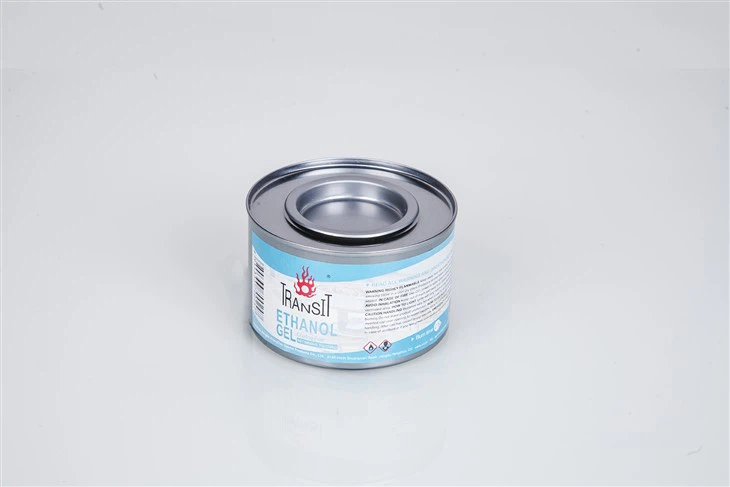
One common type is the Canned Heat Ethanol Gel. Ethanol gel fuels are popular due to their clean - burning nature. Ethanol, also known as ethyl alcohol, is a volatile organic compound. When burned, it produces carbon dioxide and water vapor. The gel form of ethanol provides a stable and controlled flame, making it ideal for buffet setups.
Another option is the Eco Smokeless Fuel. As the name suggests, this fuel is designed to be environmentally friendly and produce minimal smoke. It is often formulated with bio - based materials, which are renewable and less harmful to the environment compared to traditional fossil - based fuels.
The Bioethanol Fire Gel is also a well - known choice. Bioethanol is derived from biomass sources such as corn, sugarcane, or wheat. It burns cleanly and is considered a sustainable alternative to other fuels.
The Science Behind Jitters
Jitters, in a physiological sense, are often associated with the body's response to certain substances. The most common cause of jitters is the consumption of stimulants such as caffeine or nicotine. These substances stimulate the central nervous system, increasing heart rate, blood pressure, and causing feelings of restlessness and anxiety.
When it comes to buffet fuel, the question is whether the fumes or by - products of burning these fuels can cause similar effects. To answer this, we need to look at the chemical composition of the fuels and their combustion products.
Ethanol - based Fuels
Ethanol is a well - studied substance. When ethanol is burned, it undergoes a combustion reaction: (C_{2}H_{5}OH+3O_{2}\rightarrow2CO_{2}+3H_{2}O). The main products of this reaction are carbon dioxide and water vapor, which are generally considered harmless in normal concentrations.
However, incomplete combustion can occur, especially if the fuel is not burning efficiently. Incomplete combustion of ethanol can produce carbon monoxide (CO), a colorless and odorless gas that is highly toxic. Carbon monoxide binds to hemoglobin in the blood more readily than oxygen, reducing the amount of oxygen that can be transported to the body's tissues. Exposure to high levels of carbon monoxide can cause headaches, dizziness, nausea, and in severe cases, can be fatal.
But can carbon monoxide from buffet fuel cause jitters? While carbon monoxide poisoning can cause neurological symptoms, jitters are not typically the primary symptom. Instead, symptoms such as confusion, weakness, and loss of consciousness are more common.
Bio - based Fuels
Bio - based buffet fuels, such as those made from bioethanol or other renewable sources, are generally considered safer than fossil - based fuels. They produce fewer pollutants and greenhouse gas emissions. However, like ethanol - based fuels, they can also produce carbon monoxide if combustion is incomplete.
In addition, some bio - based fuels may contain additives or impurities. These substances could potentially cause allergic reactions or other health problems in sensitive individuals. For example, if a fuel contains a small amount of a chemical that a person is allergic to, it could trigger symptoms such as itching, rashes, or respiratory problems. But again, jitters are not a typical symptom associated with these reactions.
Real - World Considerations
In a real - world buffet setting, the risk of experiencing jitters due to buffet fuel is extremely low. Most modern buffet fuels are designed to burn cleanly and efficiently, minimizing the production of harmful by - products.
However, proper ventilation is crucial. In a poorly ventilated area, the concentration of carbon dioxide and other combustion products can build up. This can lead to discomfort, headaches, and fatigue, but not necessarily jitters.
Restaurants and food - service providers should follow safety guidelines when using buffet fuel. This includes using the fuel in well - ventilated areas, following the manufacturer's instructions for use, and regularly inspecting the fuel containers for any signs of damage or leakage.
Research on Buffet Fuel and Health
There is limited research specifically focused on the relationship between buffet fuel and jitters. However, there are numerous studies on the health effects of ethanol and other fuels in general.
A study published in the Journal of Environmental Health found that proper ventilation can significantly reduce the concentration of carbon monoxide and other pollutants in indoor environments where ethanol - based fuels are used. This indicates that as long as proper safety measures are taken, the risk of health problems associated with buffet fuel is minimal.
Another study in the International Journal of Occupational and Environmental Health examined the health effects of bio - based fuels. It concluded that bio - based fuels are generally safer than fossil - based fuels, but more research is needed to fully understand the long - term effects of their use.
Conclusion
Based on the scientific evidence and real - world considerations, it is highly unlikely that buffet fuel causes jitters. The primary products of burning buffet fuel, such as carbon dioxide and water vapor, are generally harmless. While there is a risk of carbon monoxide production if combustion is incomplete, this is not typically associated with jitters.
However, it is important for food - service providers to use buffet fuel safely. This includes ensuring proper ventilation, following the manufacturer's instructions, and using high - quality fuels.
If you are in the food - service industry and are looking for a reliable and safe buffet fuel supplier, I invite you to contact me for more information. We offer a wide range of buffet fuels, including Canned Heat Ethanol Gel, Eco Smokeless Fuel, and Bioethanol Fire Gel. Our products are tested for quality and safety, and we can provide you with the support and guidance you need to make the right choice for your business.
References
- Journal of Environmental Health. "Ventilation and Indoor Air Quality in Ethanol - Fueled Environments."
- International Journal of Occupational and Environmental Health. "Health Effects of Bio - Based Fuels: A Review."