

How does 4 Hour Chafing Fuel compare to butane - powered chafing fuel?
When it comes to catering and events, keeping food warm is a crucial aspect. Chafing fuels are the go - to solution for this purpose, and two popular options in the market are 4 Hour Chafing Fuel and butane - powered chafing fuel. As a supplier of 4 Hour Chafing Fuel, I've had the opportunity to closely observe and understand the characteristics of both types of fuels, and I'm excited to share a detailed comparison with you.
Heat Output and Consistency
One of the primary considerations when choosing a chafing fuel is its heat output. Butane - powered chafing fuels are known for providing a high - intensity, immediate heat. Butane burns at a relatively high temperature, which can quickly bring a chafing dish up to the desired temperature. This is especially useful in situations where you need to heat up food rapidly, such as in a busy restaurant kitchen during peak hours.
On the other hand, 4 Hour Chafing Fuel offers a more moderate and consistent heat output over a longer period. It gradually warms the food and maintains a steady temperature for about four hours. This makes it an excellent choice for events where food needs to be kept warm for an extended period without the risk of over - heating. For example, at a wedding reception or a large corporate dinner, the consistent heat of 4 Hour Chafing Fuel ensures that the food remains at an optimal serving temperature throughout the event.
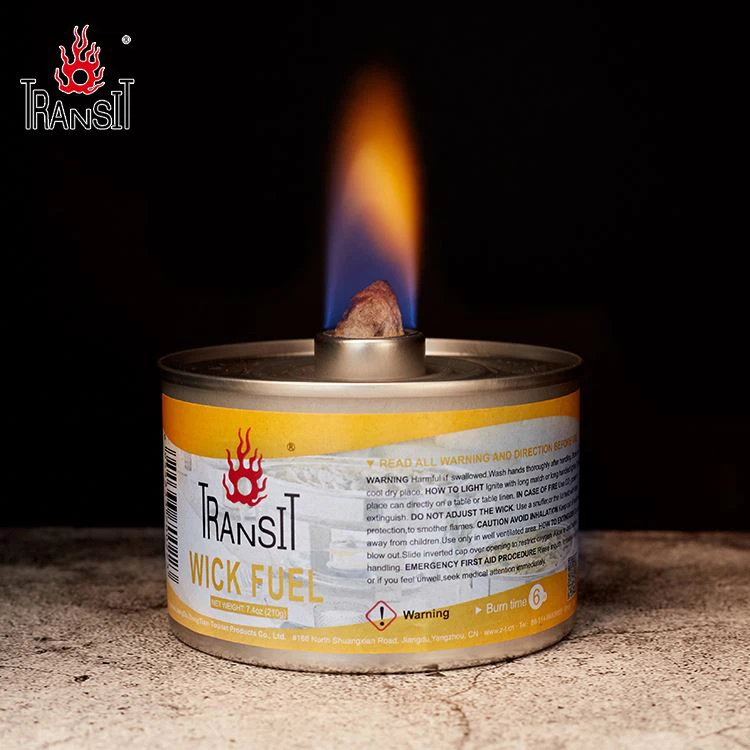

Safety
Safety is a top priority when dealing with any type of fuel. Butane - powered chafing fuels come with their own set of safety concerns. Butane is a flammable gas, and if not handled properly, it can pose a significant risk. Leaks can occur, and in the presence of an open flame or spark, it can lead to dangerous situations. Additionally, butane canisters need to be stored and transported carefully to avoid damage that could cause leaks.
4 Hour Chafing Fuel, in contrast, is generally considered safer. It is a liquid fuel that is less likely to cause sudden explosions or large - scale fires. The fuel is contained in a sturdy container, and the risk of leaks is minimized. Moreover, it produces a relatively small and controlled flame, reducing the chances of accidental fires. This makes it a preferred option for venues with strict safety regulations, such as schools, hospitals, and public event spaces.
Cost - effectiveness
Cost is always a factor in any catering decision. Butane - powered chafing fuels often require the purchase of specialized canisters. These canisters can be expensive, especially if you need to use them frequently. Additionally, once the butane is used up, you need to replace the canister, which adds to the long - term cost.
4 Hour Chafing Fuel, on the other hand, offers a more cost - effective solution. The fuel is sold in affordable containers, and a single container can provide up to four hours of heat. This means that for longer events, you may only need one or two containers per chafing dish, reducing the overall cost. For small - to - medium - sized catering businesses or event organizers on a budget, 4 Hour Chafing Fuel can be a great way to save money without sacrificing quality.
Environmental Impact
In today's world, environmental impact is an important consideration. Butane is a hydrocarbon, and when burned, it releases carbon dioxide and other greenhouse gases into the atmosphere. While modern butane - powered chafing fuels are designed to be more efficient, they still contribute to air pollution.
4 Hour Chafing Fuel, however, is often formulated to be more environmentally friendly. Many 4 Hour Chafing Fuels are made from renewable resources and produce fewer emissions. They are A Smokeless Fuel, which means they do not produce large amounts of smoke or harmful particulate matter. This makes them a greener choice for those who are conscious about their environmental footprint.
Convenience
Convenience plays a significant role in the choice of chafing fuel. Butane - powered chafing fuels require a special burner and canister system. Setting up the burner and connecting the canister can be a bit complicated, especially for those who are not familiar with the equipment. Additionally, butane canisters need to be stored upright to prevent leaks, which can be a hassle in limited storage spaces.
4 Hour Chafing Fuel is extremely convenient to use. It comes in a simple container that can be easily placed under the chafing dish. There is no need for complicated setup or additional equipment. It is also easy to store, as the containers can be stacked and stored in a small space. This makes it a great option for on - the - go caterers or event organizers who need a quick and easy solution for keeping food warm.
Other Options in the Market
While we have been discussing 4 Hour Chafing Fuel and butane - powered chafing fuel, there are other options available as well. For example, 6 Hour Chafing Fuel is a great alternative if you need to keep food warm for an even longer period. It offers the same benefits as 4 Hour Chafing Fuel but with an extended burn time.
Another option is Handy Wick Chafing Fuel. This type of fuel uses a wick system to provide a steady and controlled flame. It is easy to use and offers a reliable source of heat for chafing dishes.
Conclusion
In conclusion, both 4 Hour Chafing Fuel and butane - powered chafing fuel have their own advantages and disadvantages. Butane - powered chafing fuel offers high - intensity heat and rapid heating, but it comes with safety concerns, higher costs, and environmental impacts. 4 Hour Chafing Fuel, on the other hand, provides consistent heat, is safer, more cost - effective, environmentally friendly, and convenient.
If you are looking for a reliable, long - lasting, and safe solution for keeping food warm at your events, 4 Hour Chafing Fuel is an excellent choice. Whether you are a professional caterer, an event organizer, or someone hosting a small gathering at home, our 4 Hour Chafing Fuel can meet your needs.
If you are interested in learning more about our 4 Hour Chafing Fuel or would like to discuss a potential purchase, please reach out. We are always happy to answer your questions and provide you with the best solutions for your catering needs.
References
- "Catering Equipment Handbook" - A comprehensive guide on various catering equipment, including chafing fuels.
- "Safety Standards for Food Service Fuels" - Published by a leading safety organization, this document outlines the safety requirements for different types of chafing fuels.
- "Environmental Impact of Catering Fuels" - A research paper that analyzes the environmental effects of different chafing fuels in the market.