

What is the difference between coal and other solid fuels?
As a solid fuel supplier, I've had the privilege of working closely with a wide range of solid fuels, each with its unique characteristics and applications. One of the most common questions I encounter is about the differences between coal and other solid fuels. In this blog post, I'll delve into the key distinctions, exploring the properties, advantages, and disadvantages of coal compared to other solid fuels.
Composition and Formation
Coal is a fossil fuel formed from the remains of plants that lived and died millions of years ago. Over time, these plant materials were buried under layers of sediment and subjected to high pressure and temperature, undergoing a process called coalification. This process transformed the organic matter into coal, which consists primarily of carbon, along with varying amounts of hydrogen, oxygen, nitrogen, and sulfur.
In contrast, other solid fuels can have diverse compositions depending on their source. For example, biomass fuels such as wood, agricultural residues, and dedicated energy crops are derived from living or recently living organic matter. They are composed mainly of cellulose, hemicellulose, and lignin, which are complex carbohydrates found in plants. Another type of solid fuel is charcoal, which is produced by heating wood or other biomass materials in the absence of oxygen, a process known as pyrolysis. Charcoal is primarily carbon, with a higher energy density than the original biomass due to the removal of volatile components.

Energy Content
One of the most significant differences between coal and other solid fuels is their energy content. Coal generally has a higher energy density than most other solid fuels, meaning it can release more energy per unit of mass when burned. The energy content of coal can vary depending on its rank, with anthracite, the highest rank of coal, having the highest energy density, followed by bituminous coal, sub-bituminous coal, and lignite.
Biomass fuels, on the other hand, typically have a lower energy density than coal. Wood, for example, has an energy content of around 16 - 20 megajoules per kilogram (MJ/kg), while coal can have an energy content ranging from 20 - 35 MJ/kg or more, depending on the type. However, some forms of biomass, such as charcoal, can have a higher energy density, similar to that of coal. Charcoal can have an energy content of around 29 - 33 MJ/kg, making it a relatively efficient fuel source.
Environmental Impact
The environmental impact of burning coal and other solid fuels is a crucial consideration. Coal is known for its high carbon dioxide (CO2) emissions when burned, contributing significantly to climate change. In addition to CO2, coal combustion also releases other pollutants such as sulfur dioxide (SO2), nitrogen oxides (NOx), particulate matter (PM), and mercury. These pollutants can have harmful effects on human health and the environment, including air pollution, acid rain, and respiratory problems.
Biomass fuels, on the other hand, are considered to be carbon-neutral in theory because the carbon released during combustion is offset by the carbon absorbed by the plants during their growth. However, the actual carbon neutrality of biomass fuels depends on various factors, such as the source of the biomass, the harvesting and processing methods, and the efficiency of the combustion process. Biomass combustion can also release pollutants such as particulate matter and NOx, but generally in lower quantities than coal combustion.
Charcoal, while having a relatively high energy density, also has some environmental concerns. The production of charcoal through pyrolysis can result in the release of greenhouse gases and other pollutants, especially if the process is not carried out efficiently. Additionally, the large-scale production of charcoal can lead to deforestation if not managed sustainably.
Combustion Characteristics
The combustion characteristics of coal and other solid fuels can also vary significantly. Coal typically requires higher temperatures to ignite and sustain combustion compared to biomass fuels. This is due to its higher carbon content and lower volatile matter content. Coal combustion also tends to be slower and more difficult to control than the combustion of biomass fuels, which can have a more rapid and volatile combustion process.
Biomass fuels, on the other hand, are generally easier to ignite and burn more quickly than coal. They have a higher volatile matter content, which means they release combustible gases more readily when heated. This can result in a more rapid and intense combustion process, which can be advantageous in some applications but may also require careful control to prevent excessive emissions and ensure efficient combustion.
Charcoal has combustion characteristics that are somewhat intermediate between coal and biomass. It is relatively easy to ignite compared to coal but burns more slowly and steadily than biomass fuels. Charcoal also produces a cleaner and more consistent flame, making it a popular choice for cooking and heating applications.
Applications
The differences in composition, energy content, environmental impact, and combustion characteristics of coal and other solid fuels make them suitable for different applications. Coal has been traditionally used as a primary energy source for electricity generation, industrial processes, and heating. Its high energy density and relatively low cost have made it a popular choice for large-scale power plants and industrial facilities.
Biomass fuels are commonly used for residential heating, cooking, and small-scale power generation. They are also increasingly being used in larger-scale biomass power plants and combined heat and power (CHP) systems. Biomass fuels are often considered a renewable and sustainable alternative to coal, especially in regions with abundant biomass resources.
Charcoal is widely used for cooking, particularly in outdoor grilling and barbecuing. Its high energy density, clean-burning properties, and long-lasting heat make it a popular choice for chefs and home cooks alike. Charcoal is also used in some industrial processes, such as metal smelting and water purification.
Our Solid Fuel Offerings
As a solid fuel supplier, we offer a diverse range of solid fuels to meet the needs of our customers. In addition to coal, we also supply high-quality biomass fuels and charcoal products. Our biomass fuels include wood pellets, which are a convenient and efficient way to heat homes and small businesses. Wood pellets are made from compressed sawdust and other wood residues, and they have a high energy density and low moisture content, making them a clean and sustainable fuel option.
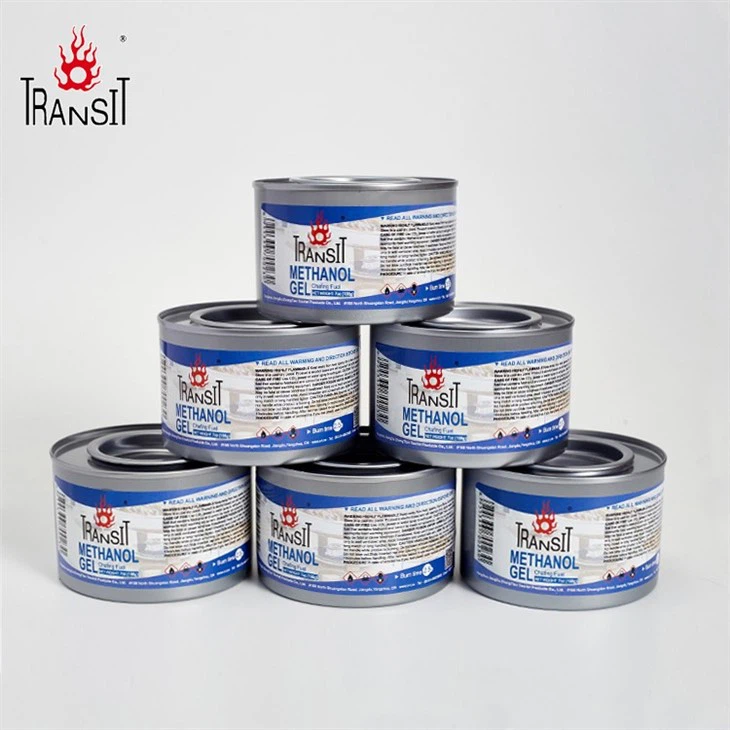
We also offer Methanol Chafing Fuel, Handy Fuel Gel, and 2 Hour Methanol Gel, which are popular choices for catering and food service applications. These methanol-based fuels provide a clean and efficient source of heat, and they are easy to use and store.
Contact Us for Procurement
If you're interested in learning more about our solid fuel products or would like to discuss your specific fuel requirements, we encourage you to contact us. Our team of experts is available to provide you with detailed information about our products, including their properties, applications, and pricing. We can also help you determine the best fuel option for your needs based on your energy requirements, budget, and environmental considerations.
Whether you're a power plant operator, an industrial manufacturer, a residential customer, or a food service provider, we have the solid fuel solutions you need. Contact us today to start a conversation about how we can meet your fuel procurement needs.
References
- International Energy Agency (IEA). (2021). Coal Information 2021.
- Biomass Energy Centre. (2020). Biomass Basics: An Introduction to Biomass and Bioenergy.
- United Nations Framework Convention on Climate Change (UNFCCC). (2019). Climate Change and Forests: A Synthesis Report.
- World Health Organization (WHO). (2022). Air Quality Guidelines: Global Update 2021.