

How does Gel Chafing Fuel compare to butane - based chafing fuel?
Hey there! As a supplier of Gel Chafing Fuel, I often get asked how it stacks up against butane - based chafing fuel. So, let's dive right in and have a chat about the ins and outs of these two types of chafing fuels.
1. Burn Time and Heat Output
One of the first things people look at when choosing a chafing fuel is how long it will burn and how much heat it can produce. Gel Chafing Fuel typically offers a consistent and long - lasting burn. You can expect a single can of our Gel Chafing Fuel to burn for around 2 - 3 hours, depending on the brand and the size of the can. This is great for events where you need to keep food warm for an extended period, like a long - running buffet.
On the other hand, butane - based chafing fuel usually burns a bit faster. While it can provide a high - intensity heat right off the bat, the burn time is often shorter, maybe around 1 - 2 hours. So, if you're hosting a quick event, butane might do the job, but for longer functions, Gel Chafing Fuel has an edge.
In terms of heat output, butane can reach high temperatures quickly. It's like a sprinter in the world of chafing fuels. Gel Chafing Fuel, however, is more of a marathon runner. It provides a steady, moderate heat that is perfect for gently warming food without overcooking it. This makes it ideal for delicate dishes that need to stay at a consistent temperature.
2. Safety
Safety is a top priority when it comes to using any type of fuel, especially in a food - service environment. Gel Chafing Fuel has some significant safety advantages. First of all, it's less likely to spill compared to liquid fuels. The gel consistency keeps it in place, reducing the risk of accidental fires caused by spills. If a can of Gel Chafing Fuel is knocked over, the gel won't spread as easily as a liquid butane fuel would.
Another safety feature is that Gel Chafing Fuel burns with a low - visible flame. This is great because it reduces the risk of people accidentally touching the flame or getting burned. In a busy catering setting, where people are constantly moving around, this can be a real lifesaver.
Butane - based fuels, on the other hand, can be a bit more dangerous. The flames are often more visible and can be more intense. Also, butane is a highly flammable gas. If there's a leak in the canister, it can create a serious fire hazard. Additionally, butane canisters need to be handled with care as they are under pressure, and improper handling can lead to explosions.
3. Environmental Impact
In today's world, more and more people are concerned about the environmental impact of the products they use. Gel Chafing Fuel, specifically our Alcohol Gel Fuel, is a more eco - friendly option. It's often made from bioethanol, which is a renewable resource. When it burns, it produces fewer emissions compared to butane.
Butane is a fossil fuel, which means it's non - renewable. Burning butane releases carbon dioxide and other pollutants into the atmosphere. If you're looking to reduce your carbon footprint and be more environmentally responsible, Gel Chafing Fuel is the way to go.
4. Ease of Use
Gel Chafing Fuel is incredibly easy to use. You simply place the can in the chafing dish holder, light it with a match or a lighter, and you're good to go. There's no need for any special equipment or complex setup. It's also very portable. You can easily carry a few cans in a box without having to worry about leaks or spills.
Butane - based chafing fuel requires a bit more attention. You need to make sure the canister is properly attached to the burner, and you have to be careful when handling the pressurized canister. If you're not familiar with using butane, it can be a bit intimidating.
5. Cost
Cost is always a factor when making a purchasing decision. Generally, Gel Chafing Fuel is more cost - effective in the long run. While the upfront cost of a can of Gel Chafing Fuel might be similar to that of a butane canister, the longer burn time means you'll need to replace it less frequently.
For example, if you're running a catering business and need to keep food warm for several events throughout the week, you'll end up using fewer cans of Gel Chafing Fuel compared to butane. This can lead to significant savings over time.
6. Odor
Nobody wants their food to smell like fuel. Gel Chafing Fuel, especially high - quality Bioethanol Fire Gel, burns cleanly and produces very little odor. This is a huge advantage in a food - service setting, as it won't affect the taste or smell of the food.
Butane - based fuels can sometimes produce a slight odor when they burn. This odor can be off - putting, especially in an enclosed space like a banquet hall or a restaurant.
Conclusion
So, there you have it! When comparing Gel Chafing Fuel to butane - based chafing fuel, it's clear that Gel Chafing Fuel has a lot of advantages. It offers longer burn times, better safety, a lower environmental impact, ease of use, cost - effectiveness, and less odor.
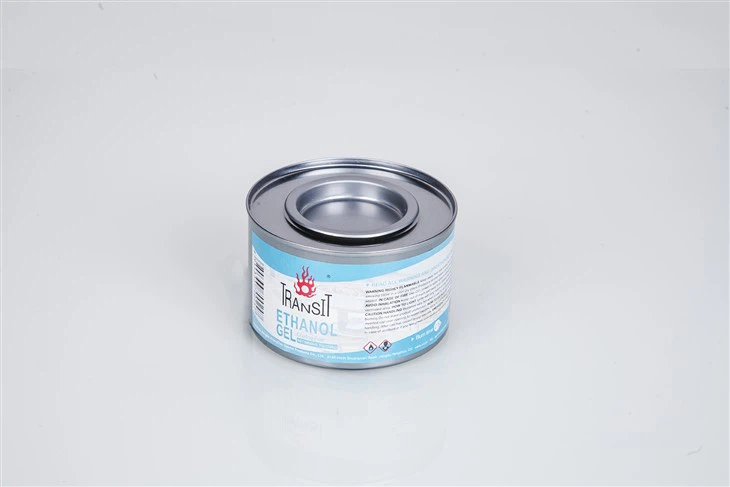
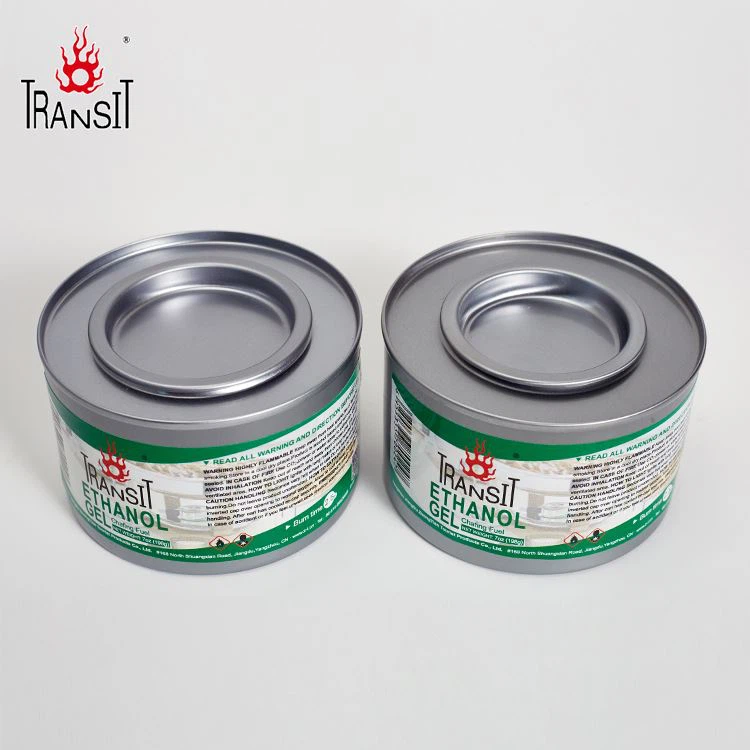
If you're in the market for a reliable chafing fuel for your catering business, restaurant, or special event, I highly recommend giving our Gel Chafing Fuel a try. We're committed to providing high - quality products that meet your needs.
If you're interested in learning more about our Gel Chafing Fuel or are ready to place an order, feel free to reach out. We're here to help you make the best choice for your food - warming needs. Let's start a conversation and see how we can work together!
References
- Various industry reports on chafing fuels
- Product specifications from Gel Chafing Fuel and butane - based chafing fuel manufacturers