

How does the heat distribution of Eco Smokeless Fuel work?
As a supplier of Eco Smokeless Fuel, I've witnessed firsthand the growing demand for clean - burning and efficient energy sources. One of the most frequently asked questions by our customers is about how the heat distribution of our Eco Smokeless Fuel works. In this blog, I'll delve into the science behind it and explain why it's a game - changer in the fuel industry.

The Basics of Heat Distribution
Heat distribution refers to how heat is spread from a heat source to its surroundings. In the case of our Eco Smokeless Fuel, the goal is to provide a consistent and efficient transfer of heat to meet various user needs, whether it's for cooking, heating a small space, or keeping food warm.
The key to effective heat distribution lies in the fuel's composition and the way it burns. Our Eco Smokeless Fuel is formulated with a unique blend of bio - ethanol and other natural ingredients. Bio - ethanol is a renewable energy source that burns cleanly, producing minimal smoke and harmful emissions. This clean - burning characteristic is not only environmentally friendly but also crucial for maintaining a stable and predictable heat output.
Combustion Process and Heat Release
When our Eco Smokeless Fuel is ignited, a chemical reaction called combustion occurs. During combustion, the fuel reacts with oxygen in the air to produce carbon dioxide and water vapor, along with the release of heat energy. The chemical equation for the combustion of ethanol (a major component of our fuel) is as follows:
(C_{2}H_{5}OH + 3O_{2}\rightarrow2CO_{2}+ 3H_{2}O+\text{Heat})
The heat release during combustion depends on several factors, including the fuel's calorific value, which is a measure of the amount of heat energy released when a unit mass or volume of the fuel is burned completely. Our Eco Smokeless Fuel has a relatively high calorific value, which means it can produce a significant amount of heat per unit of fuel.
Factors Affecting Heat Distribution
1. Fuel Container Design
The design of the container holding the Eco Smokeless Fuel plays a vital role in heat distribution. We use specially designed containers that are optimized for efficient heat transfer. For example, the shape of the container can influence the airflow around the burning fuel. A well - designed container allows for a steady supply of oxygen to the fuel, ensuring complete combustion and a more even heat distribution.
2. Airflow
Proper airflow is essential for efficient heat distribution. When the fuel burns, it creates a convection current. Hot air rises, and cooler air is drawn in to replace it. This continuous movement of air helps to spread the heat from the fuel source. Our products are designed to promote good airflow, either through built - in ventilation holes in the container or by being used in an environment where natural airflow can occur.
3. Surrounding Environment
The surrounding environment also affects heat distribution. For instance, if the fuel is used in an enclosed space, the heat will be trapped and may build up more quickly. On the other hand, in an open - air environment, the heat will disperse more rapidly. Our Eco Smokeless Fuel can adapt to different environments, but users should be aware of these factors to optimize its performance.
Applications and Heat Distribution
1. Catering
In the catering industry, our Eco Smokeless Fuel is widely used. For example, Catering Fuel Gel is a popular choice for keeping food warm during events. The heat distribution of this gel is designed to be slow and steady, ensuring that the food remains at the right temperature without overcooking. The gel form of the fuel also helps to contain the heat source and prevent spills, making it a safe and reliable option for catering.
2. Canned Heat
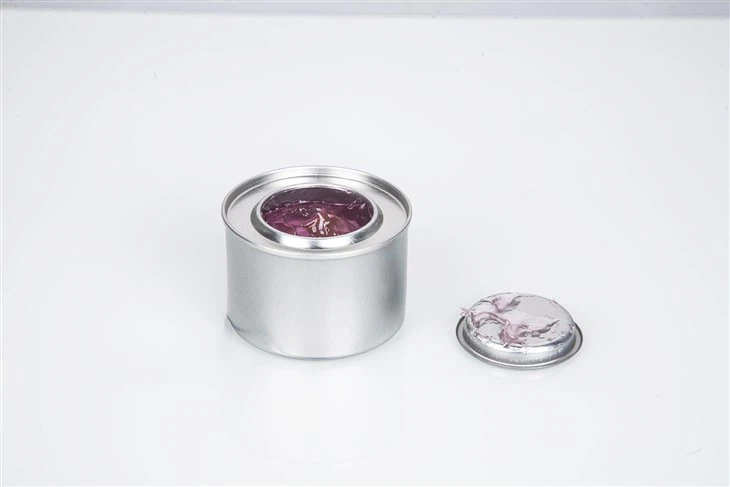
Our Canned Heat Ethanol Gel is another product that showcases excellent heat distribution. It is commonly used for small - scale heating or cooking, such as on camping trips or in small kitchens. The can is designed to provide a stable base for the burning fuel and to direct the heat upwards, making it ideal for heating pots or pans.
3. Chafing Dishes
Chafing Dish Fuel is specifically formulated for use with chafing dishes. These dishes are used to keep large quantities of food warm in buffet settings. The heat distribution of our chafing dish fuel is engineered to cover a wide area evenly, ensuring that all the food in the chafing dish stays at a consistent temperature.
Advantages of Our Eco Smokeless Fuel's Heat Distribution
1. Energy Efficiency
The efficient heat distribution of our Eco Smokeless Fuel means that less fuel is wasted. Since the heat is spread evenly and effectively, users can achieve their desired temperature with less fuel consumption. This not only saves money but also reduces the environmental impact.
2. Safety
Our fuel's heat distribution is designed with safety in mind. The even spread of heat reduces the risk of hot spots, which can cause burns or damage to surrounding objects. Additionally, the clean - burning nature of the fuel means that there is less risk of fire hazards associated with the production of excessive smoke or soot.
3. Consistency
Whether you're using our fuel for a short - term cooking session or a long - term heating application, you can expect a consistent heat output. This consistency is crucial for achieving reliable results in various scenarios, from cooking a perfect meal to keeping a large event's food warm.
Contact Us for Purchase and Consultation
If you're interested in learning more about our Eco Smokeless Fuel and its heat distribution capabilities, or if you're ready to make a purchase, we'd love to hear from you. Our team of experts is available to answer any questions you may have and to guide you through the selection process. Whether you're a small - scale user or a large - scale business in the catering or hospitality industry, we have the right fuel solution for you.
References
- "Combustion Science and Engineering" by Kenneth K. Kuo.
- "Renewable Energy: Principles, Practices, and Policies" by John Twidell and Tony Weir.
- "Thermodynamics: An Engineering Approach" by Yunus A. Cengel and Michael A. Boles.