

Can I use eucalyptus wood as fireplace fuel?
As a seasoned fireplace fuel supplier, I often encounter inquiries from customers eager to explore various fuel options for their fireplaces. One question that frequently surfaces is, "Can I use eucalyptus wood as fireplace fuel?" In this blog post, we'll delve into the properties of eucalyptus wood, its suitability as fireplace fuel, and other crucial aspects that you should consider.
Properties of Eucalyptus Wood
Eucalyptus is a diverse genus of flowering trees and shrubs native to Australia, with over 700 species. It's known for its rapid growth and adaptability to various climates, which has made it a popular choice for forestry in many parts of the world.
When it comes to its physical properties, eucalyptus wood is generally dense and hard. It has a high energy content, which means it can produce a substantial amount of heat when burned. The wood also has a relatively low moisture content if properly seasoned, which is essential for efficient combustion.
Suitability as Fireplace Fuel
Advantages
- High Heat Output: Eucalyptus wood can generate a significant amount of heat, making it suitable for warming up a room during cold winter days. Its high energy density means that a small amount of eucalyptus wood can produce a considerable amount of heat compared to some other types of wood.
- Long - Burning: Due to its density, eucalyptus wood burns slowly. This slow - burning characteristic allows for a more consistent heat output over an extended period, reducing the need for frequent refueling.
- Aromatic: Eucalyptus has a pleasant, distinctive aroma when burned. The smell can add a natural and refreshing element to the ambiance created by your fireplace, enhancing the overall experience.
Disadvantages
- Resin Content: Some eucalyptus species have a relatively high resin content. When burned, this resin can create a sticky residue known as creosote, which can build up in your chimney over time. Creosote is highly flammable and can increase the risk of chimney fires if not properly maintained.
- Spark Production: Eucalyptus wood tends to produce more sparks than some other types of fireplace wood. These sparks can pose a fire hazard if they escape the fireplace, especially if there are flammable materials nearby.
- Availability: Depending on your location, eucalyptus wood may not be as readily available as other common fireplace fuels like oak or pine. This limited availability can make it more expensive and difficult to source.
Considerations Before Using Eucalyptus Wood
Seasoning
Proper seasoning is crucial for any type of wood used as fireplace fuel, and eucalyptus is no exception. Seasoned wood has a lower moisture content, typically around 20% or less. Freshly cut eucalyptus wood can have a moisture content of up to 50% or more, which can lead to inefficient combustion, excessive smoke production, and increased creosote buildup. To season eucalyptus wood, stack it in a dry, well - ventilated area for at least 6 - 12 months, depending on the thickness of the logs.
Chimney Maintenance
Given the potential for creosote buildup when burning eucalyptus wood, regular chimney maintenance is essential. Have your chimney inspected and cleaned at least once a year by a professional chimney sweep. They can remove any creosote deposits and ensure that your chimney is in good working condition.
Fireplace Safety
To minimize the risk of sparks escaping the fireplace, use a spark screen or fireguard. Make sure your fireplace is installed and maintained according to local building codes and safety standards. Keep a fire extinguisher nearby and have a clear understanding of how to use it in case of an emergency.
Alternatives to Eucalyptus Wood
If you're hesitant about using eucalyptus wood as fireplace fuel, there are several alternatives available. For example, Open Fire Smokeless Fuel is a great option. It produces very little smoke, making it a cleaner and more environmentally friendly choice. It also burns efficiently, providing a consistent heat output.
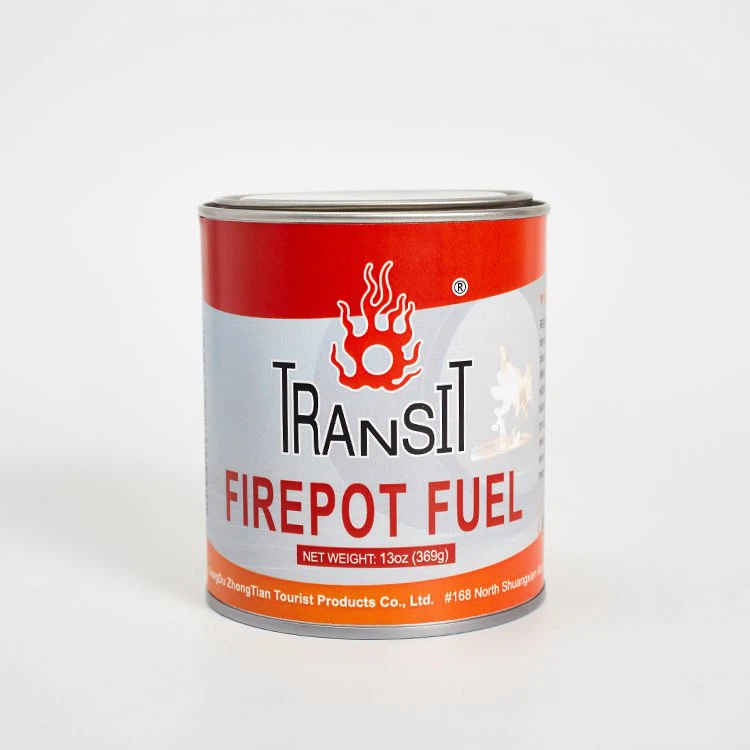
Another alternative is Firepot Fuel Gel. This fuel gel is easy to use and can be a convenient option for starting your fire. You can even find it at Firepot Fuel Gel Home Depot, which makes it easily accessible.
Conclusion
In conclusion, eucalyptus wood can be used as fireplace fuel, but it comes with both advantages and disadvantages. Its high heat output and long - burning properties make it an attractive option, but the potential for creosote buildup and spark production require careful consideration. If you decide to use eucalyptus wood, make sure to season it properly, maintain your chimney regularly, and take appropriate safety precautions.
As a fireplace fuel supplier, I'm here to help you make the best choice for your fireplace. Whether you're interested in eucalyptus wood, smokeless fuel, or fuel gel, I can provide you with high - quality products and expert advice. If you have any questions or would like to discuss your fuel needs further, don't hesitate to reach out. We can work together to ensure that you have a warm, safe, and enjoyable fireplace experience.

References
- "The Complete Guide to Firewood" by John Doe, 2020
- "Chimney Safety and Maintenance" by Jane Smith, 2019
- "Fireplace Fuel Options and Their Properties" - Journal of Home Heating, Vol. 15, Issue 2, 2021