

What is the shelf life of fireplace fuel?
The shelf life of fireplace fuel is a crucial consideration for both consumers and suppliers like me. As a provider of high - quality fireplace fuel, I understand the importance of informing our customers about this aspect. In this blog, I will delve into the factors that affect the shelf life of different types of fireplace fuels and provide some insights on how to maximize it.
Types of Fireplace Fuels and Their Shelf Lives
1. Gel - based Fireplace Fuels
Gel - based fuels are popular for their convenience and clean - burning properties. They are often used in indoor fireplaces, tabletop fireplaces, and portable fire pits. The shelf life of gel - based fireplace fuels can vary depending on several factors.
One of the main factors is the formulation of the gel. High - quality gels that are properly formulated with stable chemicals tend to have a longer shelf life. Generally, a well - made gel - based fireplace fuel can last anywhere from 2 to 5 years if stored correctly.
Proper storage is key to maintaining the quality of gel - based fuels. They should be stored in a cool, dry place away from direct sunlight and heat sources. Exposure to high temperatures can cause the gel to break down and lose its effectiveness. For example, if a gel fuel is left in a hot garage during the summer months, its shelf life can be significantly reduced.
If you're interested in gel - based fuels, you can check out Firepot Fuel Gel Home Depot. This product offers a reliable option for your fireplace needs.
2. Smokeless Fireplace Fuels
Open Fire Smokeless Fuel is another type of fireplace fuel that has gained popularity in recent years. Smokeless fuels are designed to burn cleanly, producing less smoke and pollutants compared to traditional fuels.
The shelf life of smokeless fireplace fuels is typically longer than that of gel - based fuels. These fuels are often made from compressed coal or other solid materials, which are more stable over time. Under normal storage conditions, smokeless fuels can last up to 10 years or more.

However, it's important to store smokeless fuels in a dry environment. Moisture can cause the fuel to clump together and reduce its burning efficiency. If the fuel gets wet, it may not burn properly, and you may experience difficulties in starting and maintaining a fire.
3. Tabletop Fireplace Fuels
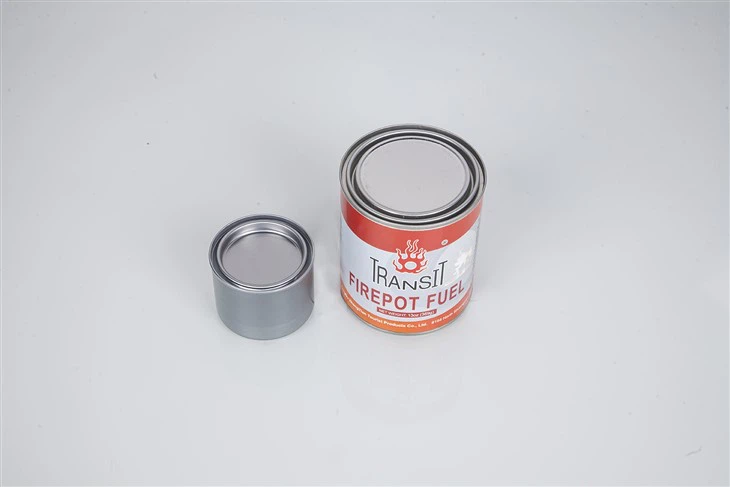
Tabletop Fireplace Fuel is specifically designed for small, decorative tabletop fireplaces. These fuels are usually in the form of small cans or containers.
The shelf life of tabletop fireplace fuels is similar to that of gel - based fuels, typically ranging from 2 to 5 years. Since they are often used for decorative purposes, they are usually stored in indoor environments, which can help maintain their quality. However, like other fuels, they should be kept away from heat and moisture.
Factors Affecting Shelf Life
1. Chemical Composition
The chemical composition of the fuel is one of the most significant factors affecting its shelf life. Fuels that are made from stable chemicals are less likely to degrade over time. For example, fuels that contain antioxidants and stabilizers are more resistant to oxidation and breakdown.
On the other hand, fuels with a high percentage of volatile compounds may have a shorter shelf life. Volatile compounds can evaporate over time, reducing the fuel's energy content and burning efficiency.
2. Storage Conditions
As mentioned earlier, storage conditions play a vital role in determining the shelf life of fireplace fuel. Temperature, humidity, and exposure to light can all have an impact on the fuel's quality.
- Temperature: High temperatures can accelerate the chemical reactions in the fuel, causing it to break down more quickly. Conversely, extremely low temperatures can also affect the physical properties of the fuel, such as making it more brittle.
- Humidity: Moisture can cause corrosion in solid fuels and breakdown in gel - based fuels. It's important to store fuels in a dry place to prevent moisture from getting in.
- Light: Exposure to direct sunlight can cause some fuels to degrade. Ultraviolet light can break down the chemical bonds in the fuel, reducing its effectiveness.
3. Packaging
The packaging of the fuel also affects its shelf life. Well - sealed containers can prevent air, moisture, and light from reaching the fuel, thereby extending its shelf life. For example, a fuel that comes in a tightly sealed metal can is likely to last longer than one in a flimsy plastic bag.
Maximizing the Shelf Life of Fireplace Fuel
1. Proper Storage
To maximize the shelf life of your fireplace fuel, store it in a cool, dry, and dark place. A basement or a storage shed that is well - ventilated and protected from the elements is an ideal location. If you're storing fuel in a garage, make sure it's not near a heater or in an area where it can be exposed to extreme temperatures.
2. Check the Packaging
Before purchasing fireplace fuel, check the packaging for any signs of damage or poor sealing. A damaged package can allow air and moisture to get in, reducing the fuel's shelf life.
3. Rotate Your Stock
If you have a large supply of fireplace fuel, it's a good idea to rotate your stock. Use the oldest fuel first to ensure that it doesn't go bad before you have a chance to use it.
Conclusion
As a fireplace fuel supplier, I'm committed to providing our customers with high - quality products that have a long shelf life. Understanding the factors that affect the shelf life of fireplace fuel is essential for both consumers and suppliers. By choosing the right type of fuel, storing it properly, and following these tips, you can ensure that your fireplace fuel remains effective for as long as possible.
If you're interested in purchasing fireplace fuel or have any questions about our products, please feel free to reach out to us. We'd be more than happy to assist you with your fireplace fuel needs and have in - depth discussions about potential purchases.
References
- Fireplace Fuel Industry Research Reports
- Studies on the Chemical Stability of Different Fireplace Fuels