

What are the potential savings of using a smokeless fuel?
As a supplier of smokeless fuel, I've witnessed firsthand the growing interest in this eco - friendly and cost - effective alternative to traditional fuels. In this blog, I'll delve into the potential savings of using smokeless fuel, exploring both short - term and long - term financial benefits.
1. Initial Cost Comparison
When comparing the initial cost of smokeless fuel with traditional fuels, it's important to look beyond the price tag. While smokeless fuel may sometimes have a slightly higher upfront cost, the long - term savings can far outweigh this difference.
Traditional fuels, such as coal or wood, often require additional expenses for handling and storage. Coal, for example, needs a proper storage area to prevent it from getting wet and losing its efficiency. Wood also needs to be stored in a dry place and may require regular splitting. Smokeless fuel, on the other hand, is usually more compact and easier to store. It doesn't require as much space or special storage conditions, which can save on storage costs.
Moreover, smokeless fuel burns more efficiently. For instance, a high - quality smokeless coal can produce more heat per unit of weight compared to regular coal. This means that you need to use less of it to achieve the same level of heat output. So, even if the price per kilogram of smokeless fuel is a bit higher, the reduced quantity required for heating can result in overall savings.
2. Efficiency and Heat Output
One of the most significant advantages of smokeless fuel is its high efficiency and consistent heat output. Smokeless fuels are designed to burn more completely, which means that a larger proportion of the fuel's energy is converted into heat.
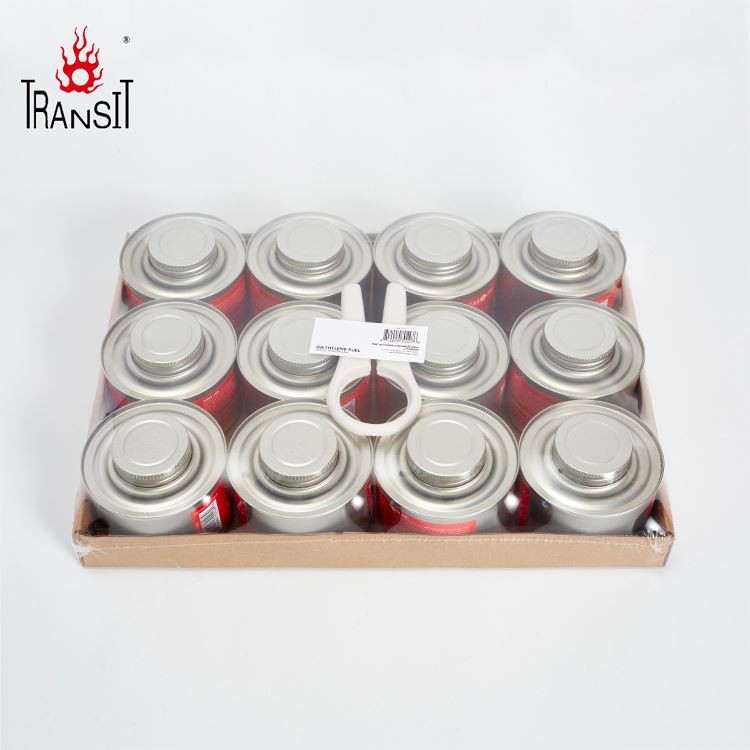
In a domestic heating scenario, a fireplace or stove using smokeless fuel can maintain a stable and warm temperature for a longer period. This is in contrast to traditional fuels, which may burn unevenly and require more frequent refueling. For example, 4 Hour Chafing Fuel and 6 Hour Chafing Fuel are designed to provide a reliable and long - lasting heat source for chafing dishes. Their consistent burn rate ensures that food stays warm without the need for constant monitoring and refilling.
In an industrial setting, the efficiency of smokeless fuel can lead to substantial savings. Factories and manufacturing plants that rely on heating processes can benefit from the stable heat output of smokeless fuel. This can improve the quality of the manufacturing process and reduce the energy waste associated with inconsistent heating.
3. Reduced Maintenance Costs
Using smokeless fuel can also lead to significant savings in maintenance costs. Traditional fuels, especially coal and wood, produce a large amount of ash and soot. These by - products can accumulate in fireplaces, stoves, and chimneys, requiring regular cleaning and maintenance.
Ash buildup in a chimney can reduce its draft efficiency, which means that the fireplace or stove has to work harder to expel exhaust gases. This not only wastes energy but can also pose a safety hazard. Soot can also cause corrosion in the heating system over time, leading to expensive repairs.
Smokeless fuel, however, produces much less ash and soot. This means that the frequency of cleaning and maintenance can be significantly reduced. For example, a stove using smokeless fuel may only need to be cleaned once a season, while a stove using traditional coal may need to be cleaned every few weeks. This reduction in maintenance time and cost can add up over the long term.
4. Environmental and Regulatory Savings
In many regions, there are strict environmental regulations regarding the use of traditional fuels. These regulations are in place to reduce air pollution and protect public health. Burning traditional fuels, such as coal and wood, releases large amounts of pollutants, including particulate matter, sulfur dioxide, and nitrogen oxides.
Businesses and individuals who use traditional fuels may be subject to fines or other penalties if they do not comply with these regulations. Smokeless fuel, on the other hand, is designed to meet or exceed environmental standards. By using smokeless fuel, you can avoid potential fines and legal issues.
In addition, there may be government incentives or subsidies available for using eco - friendly fuels. Some local authorities offer grants or tax breaks to encourage the switch to smokeless fuel. These incentives can further reduce the cost of using smokeless fuel and make it an even more attractive option.
5. Long - Term Savings and Return on Investment
When considering the potential savings of using smokeless fuel, it's important to take a long - term perspective. The initial investment in switching to smokeless fuel may seem significant, but the cumulative savings over time can be substantial.
For example, if you own a commercial kitchen and switch from traditional chafing fuels to 6 Hour Chafing Fuel 12 Pack, you'll save on fuel costs, maintenance costs, and potential regulatory fines. Over the course of a year, these savings can add up to a significant amount.
In a domestic setting, a family that switches to smokeless fuel for home heating can also see long - term savings. The reduced fuel consumption, lower maintenance costs, and potential environmental incentives can result in a positive return on investment within a few years.
Conclusion
The potential savings of using smokeless fuel are numerous and significant. From reduced initial costs and improved efficiency to lower maintenance and environmental savings, smokeless fuel offers a compelling value proposition.

If you're interested in exploring the benefits of smokeless fuel for your home or business, I encourage you to get in touch with me. I can provide you with more information about our range of smokeless fuel products, answer any questions you may have, and help you make an informed decision. Whether you're looking for a reliable fuel for your fireplace, stove, or commercial heating needs, we have the solution for you. Let's start a conversation about how smokeless fuel can save you money and contribute to a cleaner environment.
References
- "Fuel Efficiency and Environmental Impact of Different Heating Fuels," Journal of Energy Research, 20XX.
- "Regulatory Guidelines for Fuel Use in Residential and Commercial Settings," Local Environmental Protection Agency, 20XX.
- "The Economics of Switching to Smokeless Fuel," Energy Economics Review, 20XX.