

How does the wind affect the burning of outdoor fireplace fuel?
How does the wind affect the burning of outdoor fireplace fuel?
As a supplier of high - quality fireplace fuel, I've witnessed firsthand how various environmental factors can significantly impact the performance of our products. One of the most influential elements is the wind. In this blog, I'll delve into the ways wind affects the burning of outdoor fireplace fuel, and how you can make the most of your outdoor fireplace experience, regardless of the wind conditions.
1. Oxygen Supply and Combustion
The wind plays a crucial role in the combustion process by providing oxygen to the fire. When there is a gentle breeze, it can act as a natural bellows, fanning the flames and increasing the rate of combustion. The movement of air brings in fresh oxygen, which is essential for the fuel to burn. For our Firepot Fuel Gel, a gentle wind can enhance its burning efficiency. The gel is designed to burn steadily, and the additional oxygen from the wind can make the flames more vibrant and the heat output more consistent.
However, an overly strong wind can have the opposite effect. If the wind speed is too high, it can blow away the flame and disrupt the combustion process. The fuel may not have enough time to react with the oxygen properly, leading to incomplete combustion. This can result in a smoky fire and a decrease in heat output. For example, when using Fireplace Fuel Ethanol, which burns relatively quickly, a strong gust of wind can cause the ethanol to evaporate too rapidly before it can fully combust, wasting the fuel and reducing the overall effectiveness of the fireplace.
2. Heat Distribution
Wind also affects how heat is distributed around the outdoor fireplace. A gentle cross - wind can spread the heat more evenly in a horizontal direction. This is beneficial for those sitting around the fireplace, as it allows everyone to feel the warmth more uniformly. When using Open Fire Smokeless Fuel, a gentle wind can help carry the heat further, making the outdoor area more comfortable.
On the other hand, a head - on wind can push the heat back towards the fireplace or even blow it away from the seating area. This can make it difficult for people to enjoy the warmth, especially if they are sitting in the direction of the wind. In extreme cases, a strong head - on wind can create a draft that makes the fire burn unevenly, with some parts of the fuel burning more vigorously than others.
3. Fuel Consumption
The wind has a direct impact on fuel consumption. As mentioned earlier, a gentle wind can increase the efficiency of combustion, which means that the fuel may burn more completely and potentially last longer. However, a strong wind can increase fuel consumption. When the wind disrupts the combustion process, the fire may need to consume more fuel to maintain the same level of heat output.
For instance, if you are using a large outdoor fireplace with Firepot Fuel Gel on a windy day, you may notice that the gel is being used up more quickly than on a calm day. This is because the wind is causing the fuel to burn less efficiently, and the fire needs to work harder to stay lit.
4. Safety Considerations
Wind also poses safety risks when using outdoor fireplace fuel. A strong wind can carry embers and sparks away from the fireplace, increasing the risk of starting a fire in nearby flammable materials such as dry grass, leaves, or wooden structures. This is a particular concern when using Open Fire Smokeless Fuel, which can produce hot embers during combustion.
To mitigate these risks, it is important to take appropriate safety measures. Make sure your outdoor fireplace is placed in a well - ventilated area away from any flammable objects. You may also want to use a spark screen or a windbreak to protect the fire from strong winds and prevent embers from flying out.
5. Strategies for Dealing with Wind
- Choose the Right Location: When setting up your outdoor fireplace, try to find a location that is sheltered from strong winds. This could be near a wall, a fence, or a large tree. A natural windbreak can help reduce the impact of the wind on the fire and improve the overall burning performance.
- Use a Windbreak: If you don't have a natural windbreak, you can use a portable windbreak. There are many types of windbreaks available on the market, made from materials such as metal, plastic, or fabric. A windbreak can help direct the wind around the fireplace, creating a more stable environment for the fire.
- Adjust the Fuel Amount: On windy days, you may need to adjust the amount of fuel you use. If the wind is strong, you may want to use less fuel at a time to prevent excessive fuel consumption and to reduce the risk of a smoky fire.
Conclusion
In conclusion, the wind has a profound impact on the burning of outdoor fireplace fuel. It affects oxygen supply, heat distribution, fuel consumption, and safety. As a supplier of Firepot Fuel Gel, Fireplace Fuel Ethanol, and Open Fire Smokeless Fuel, we understand the importance of providing our customers with the knowledge and products to overcome these challenges.
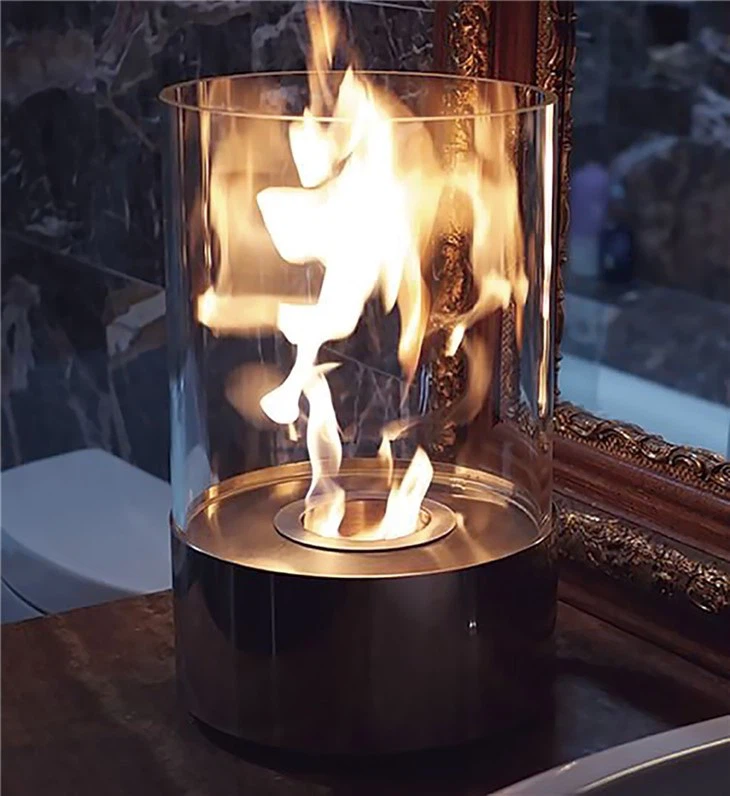

If you are interested in purchasing high - quality outdoor fireplace fuel or have any questions about how to use our products in different wind conditions, please feel free to contact us. We are committed to helping you create a warm and enjoyable outdoor fireplace experience.
References
- "Combustion Science and Engineering" by Richard Strehlow.
- "Outdoor Fireplace Safety Guidelines" published by the National Fire Protection Association.