

What are the storage conditions for liquid chafing fuel?
Hey there! As a supplier of liquid chafing fuel, I've got a ton of knowledge about the ins and outs of this product. One of the most crucial aspects that often gets overlooked is the storage conditions for liquid chafing fuel. In this blog, I'll share everything you need to know to store your liquid chafing fuel safely and effectively.
Why Proper Storage Matters
First off, let's talk about why proper storage is so important. Liquid chafing fuel is a flammable substance, which means it needs to be handled with care. If it's not stored correctly, it can pose a serious fire hazard. Additionally, improper storage can lead to the degradation of the fuel, which can affect its performance. You don't want to end up with fuel that doesn't burn properly or that produces a lot of smoke, right?
Temperature and Humidity
The temperature and humidity of the storage area are two of the most important factors to consider. Liquid chafing fuel should be stored in a cool, dry place. Ideally, the temperature should be between 50°F and 80°F (10°C and 27°C). High temperatures can cause the fuel to expand, which can lead to leaks or even explosions. On the other hand, extremely low temperatures can cause the fuel to thicken, making it difficult to pour and use.
Humidity is also a concern. Moisture can get into the fuel container and cause corrosion, which can weaken the container and lead to leaks. It can also affect the quality of the fuel itself. To prevent this, make sure the storage area is well-ventilated and that the fuel containers are tightly sealed.
Ventilation
Good ventilation is essential when storing liquid chafing fuel. Since the fuel is flammable, it can release vapors that can be dangerous if they build up in a confined space. A well-ventilated area will help to disperse these vapors and reduce the risk of a fire or explosion.
You should store the fuel in an area with plenty of air circulation, such as a garage or a shed with windows that can be opened. Avoid storing the fuel in basements or other areas that are prone to flooding, as this can increase the risk of leaks and spills.
Storage Containers
The type of container you use to store the liquid chafing fuel is also important. The containers should be made of a material that is resistant to corrosion and leaks. Metal or plastic containers are commonly used, but make sure they are specifically designed for storing flammable liquids.
The containers should also have a tight-fitting lid to prevent spills and to keep moisture out. If you're using a container that has been previously used for another substance, make sure it is thoroughly cleaned before using it to store the chafing fuel.
Separation from Other Substances
It's important to store liquid chafing fuel away from other substances, especially those that are flammable or combustible. This includes things like gasoline, oil, paint, and cleaning products. Storing these substances together can increase the risk of a fire or explosion if there is a leak or a spill.
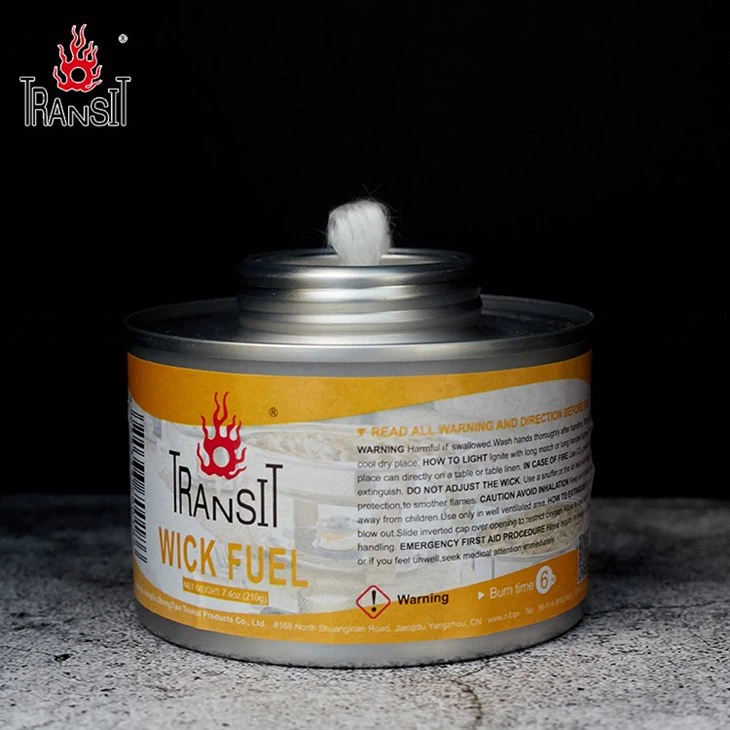
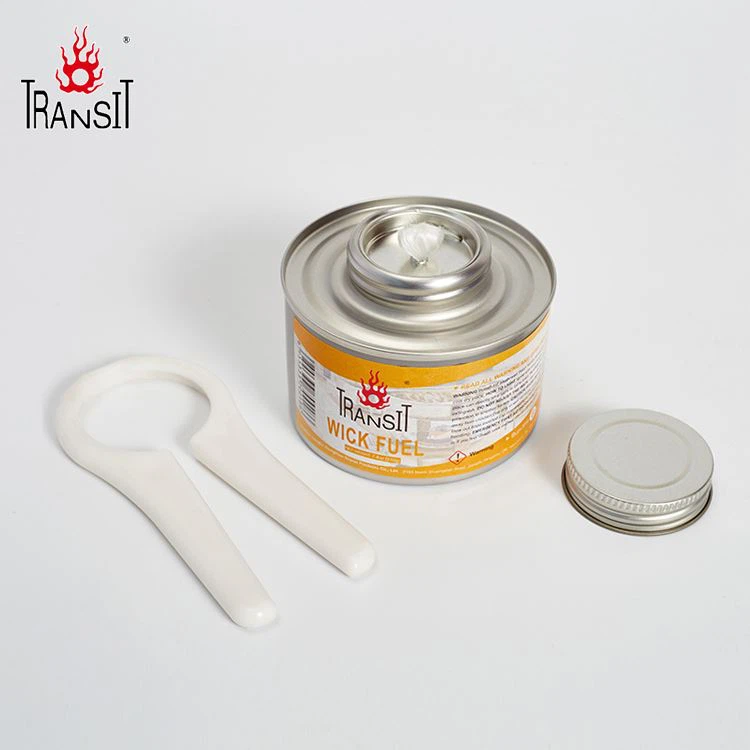
You should also keep the fuel away from sources of heat and ignition, such as heaters, stoves, and electrical equipment. Make sure there is a clear area around the storage containers to prevent any accidental contact with these sources.
Labeling
Proper labeling of the storage containers is crucial. Each container should be clearly labeled with the name of the fuel, the date it was purchased, and any safety warnings. This will help you to keep track of the fuel and to ensure that it is used safely.
Different Types of Liquid Chafing Fuel and Their Storage
There are different types of liquid chafing fuel available in the market, and each may have slightly different storage requirements. For example, Diethylene Glycol Chafing Fuel has its own set of characteristics. It's important to follow the manufacturer's instructions for storing this type of fuel.
Similarly, Handy Wick Chafing Fuel and Wick Chafing Dish Fuel also need to be stored according to their specific guidelines. These fuels may have different flash points and chemical compositions, which can affect how they should be stored.
Regular Inspections
Regular inspections of the storage area and the fuel containers are a must. Check for any signs of leaks, corrosion, or damage to the containers. If you notice any issues, take immediate action to address them. This may involve replacing the container or moving the fuel to a different storage location.
Handling During Storage
When handling the liquid chafing fuel during storage, make sure to use proper safety equipment, such as gloves and goggles. Avoid spilling the fuel, and if you do, clean it up immediately using a suitable absorbent material.
Conclusion
In conclusion, proper storage of liquid chafing fuel is essential for safety and performance. By following these guidelines, you can ensure that your fuel is stored in the best possible conditions. If you have any questions or need more information about our liquid chafing fuel products, feel free to reach out to us. We're always here to help and can provide you with the best solutions for your chafing fuel needs. Whether you're a restaurant owner, an event planner, or just someone who loves to use chafing dishes at home, we've got the right fuel for you. So, don't hesitate to contact us for any procurement needs or to discuss further details.
References
- National Fire Protection Association (NFPA) standards for flammable liquid storage
- Manufacturer's guidelines for various liquid chafing fuel products