

What are the storage conditions for solid fuel in winter?
Hey there! I'm a supplier of solid fuel, and I know firsthand how crucial it is to store this stuff properly, especially during the winter months. Winter brings a whole set of challenges when it comes to storing solid fuel, and if you don't get it right, you could end up with fuel that's either ineffective or, in some cases, dangerous. So, let's dive into the storage conditions for solid fuel in winter.
Why Winter Storage Matters
First off, why is winter storage such a big deal? Well, cold temperatures, high humidity, and snow can all have a negative impact on solid fuel. For example, if solid fuel gets wet, it can become difficult to light and may not burn efficiently. Plus, in freezing temperatures, some types of solid fuel can become brittle and break apart, which can also affect their performance.
Location, Location, Location
The first thing you need to consider is where you're going to store your solid fuel. A dry, well - ventilated area is a must. A shed or a garage can be a great option, as long as they're not prone to leaks. You don't want any water getting in and ruining your fuel.
If you're using a shed, make sure it has a solid roof and walls. Check for any holes or cracks that could let in moisture. It's also a good idea to elevate the fuel off the ground. You can use pallets or wooden boards to create a platform. This helps prevent the fuel from absorbing moisture from the ground.
Protecting from the Cold
Cold temperatures can be tough on solid fuel. Some fuels may contract in the cold, which can cause them to break or become less effective. To protect against this, you can insulate the storage area. You don't need to go all out and turn your shed into a mini - greenhouse, but adding some insulation material like bubble wrap or foam boards to the walls can help keep the temperature more stable.
Another thing to consider is the type of solid fuel you're storing. For example, Solid Fuel has different properties compared to other types. It's important to understand the specific requirements of the fuel you're dealing with. Some solid fuels are more resistant to cold than others, but it's still a good idea to take precautions.
Humidity Control
Humidity is the enemy of solid fuel. High humidity can cause the fuel to absorb moisture, which makes it hard to light and reduces its burning efficiency. To control humidity, you can use a dehumidifier in the storage area. If you don't have a dehumidifier, you can also use moisture - absorbing products like silica gel packs. You can find these in many hardware stores.
It's also important to keep the storage area well - ventilated. Good ventilation helps prevent the buildup of moisture. You can install vents in the shed or garage to allow air to circulate. Just make sure the vents are covered to prevent snow or rain from getting in.
Packaging and Sealing
Proper packaging is essential for storing solid fuel in winter. Make sure the fuel is stored in sealed containers. This helps keep out moisture and air. If the fuel comes in bags, check for any tears or holes and repair them if necessary.
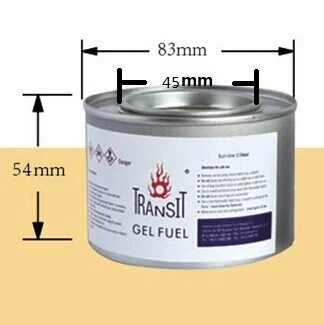
For some types of solid fuel, like 2 Hour Methanol Gel and Handy Fuel Gel, they often come in specialized containers. Make sure these containers are tightly sealed. If you transfer the fuel to another container, use a container that's designed to hold solid fuel and seal it properly.
Safety First
Safety should always be your top priority when storing solid fuel. Solid fuel is flammable, so you need to keep it away from any sources of heat or ignition. This includes heaters, fireplaces, and electrical equipment.
Also, make sure the storage area is clearly marked as a fuel storage area. This helps prevent accidental ignition and ensures that anyone who enters the area knows what they're dealing with.
Regular Checks
Don't just store your solid fuel and forget about it. Make regular checks on the storage area and the fuel itself. Look for any signs of damage, such as cracks in the containers or signs of moisture. If you notice any issues, take action immediately.
Check the temperature and humidity levels in the storage area regularly. You can use a thermometer and a hygrometer to monitor these conditions. If the temperature or humidity is outside the recommended range, make adjustments to the storage environment.

What to Do if Things Go Wrong
If you find that your solid fuel has gotten wet or damaged, don't try to use it right away. If it's slightly wet, you can try to dry it out in a well - ventilated area away from any sources of heat. However, if it's severely damaged, it's best to dispose of it properly.
When disposing of damaged solid fuel, follow the local regulations. Don't just throw it in the trash. Some types of solid fuel may require special disposal methods.
Conclusion
Storing solid fuel in winter requires some extra attention, but it's definitely worth it. By following these storage conditions, you can ensure that your solid fuel stays in good condition and performs well when you need it.
If you're in the market for high - quality solid fuel, I'm here to help. Whether you need 2 Hour Methanol Gel, Handy Fuel Gel, or Solid Fuel, I can provide you with the best products at competitive prices. Reach out to me if you're interested in discussing your solid fuel needs and starting a procurement conversation.
References
- "Solid Fuel Storage Guidelines", National Fuel Association
- "Winter Storage of Flammable Materials", Safety First Magazine