

What is the burning time of Handy Fuel Gel in different weather conditions?
As a provider of Handy Fuel Gel, I've received numerous inquiries from customers about the burning time of our product under different weather conditions. This blog post aims to shed light on this topic, offering a comprehensive analysis based on our experience and scientific understanding.
Understanding Handy Fuel Gel
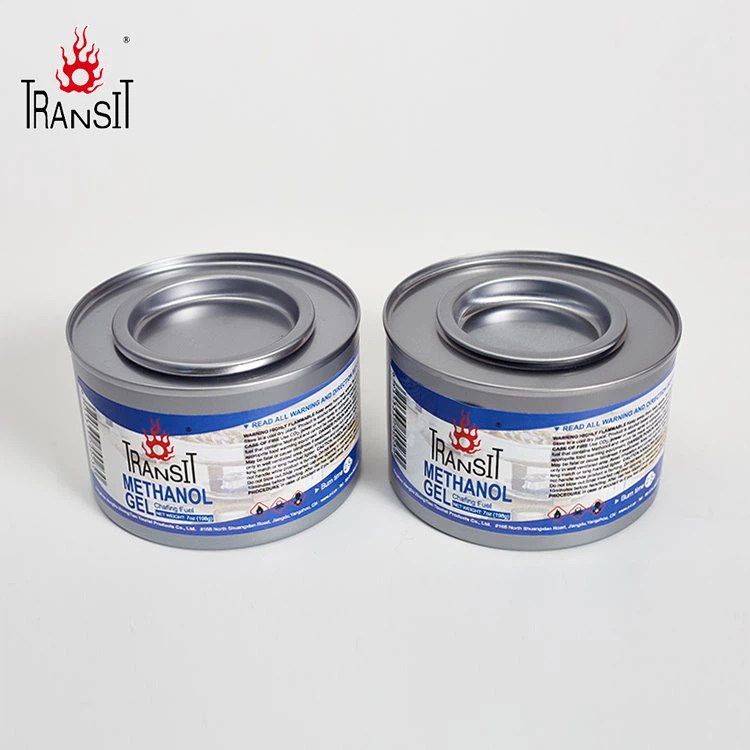
Before delving into the burning time, it's essential to understand what Handy Fuel Gel is. Our Handy Fuel Gel is a type of Smokeless Solid Fuel that offers a convenient and clean - burning alternative to traditional fuels. It is formulated to provide a consistent and reliable source of heat, making it suitable for a variety of applications, from camping to indoor heating in some cases.
The 2 Hour Methanol Gel variant is one of our popular products, designed to burn for approximately two hours under normal conditions. However, the actual burning time can be significantly influenced by weather factors.
Impact of Temperature on Burning Time
Temperature plays a crucial role in determining the burning time of Handy Fuel Gel. In general, colder temperatures can slow down the combustion process. When the ambient temperature is low, the fuel gel takes longer to reach its optimal burning temperature. The chemical reactions that occur during combustion are also affected by temperature; lower temperatures mean slower reaction rates.
For instance, in freezing conditions (below 0°C), the burning time of our Handy Fuel Gel can be reduced by up to 30%. The gel may not ignite as easily, and once lit, it burns at a slower pace. This is because the cold air around the fuel absorbs heat from the combustion process, making it more difficult for the gel to maintain a consistent burn.
On the other hand, in warmer temperatures (above 25°C), the burning time may be slightly reduced as well. Higher temperatures can cause the fuel to evaporate more quickly, leading to a faster - paced combustion. The fuel may burn more vigorously, but it will also be consumed at a faster rate. In extremely hot conditions (above 35°C), the burning time can be reduced by about 15 - 20%.
Influence of Humidity
Humidity is another factor that affects the burning time of Handy Fuel Gel. High humidity levels mean there is more moisture in the air. When the fuel gel is exposed to a humid environment, it can absorb some of this moisture. This absorbed moisture needs to be evaporated before the fuel can start burning efficiently.
In areas with high humidity (above 70%), the burning time of our Handy Fuel Gel can be extended by up to 10 - 15%. The extra moisture acts as a heat sink, slowing down the combustion process. However, if the humidity is too high, it may even prevent the fuel from igniting properly.
Conversely, in low - humidity conditions (below 30%), the fuel gel dries out more quickly. This can lead to a more rapid combustion process, reducing the burning time by about 10%. The lack of moisture in the air allows the fuel to reach its burning temperature faster and burn more efficiently.
Wind Conditions
Wind can have a significant impact on the burning time of Handy Fuel Gel. A gentle breeze can actually be beneficial for combustion. It helps to supply oxygen to the flame, promoting a more efficient burn. In light wind conditions (less than 5 m/s), the burning time may remain relatively stable or even increase slightly as the wind helps to carry away the products of combustion and bring in fresh oxygen.

However, strong winds (above 10 m/s) can be problematic. The wind can blow the flame out or cause the fuel to burn unevenly. In such cases, the burning time can be drastically reduced, sometimes by more than 50%. The wind also cools the fuel gel, making it difficult for the combustion process to continue.
Altitude and Its Effects
Altitude is often overlooked but can have a notable impact on the burning time of Handy Fuel Gel. At higher altitudes, the air pressure is lower, and there is less oxygen available. Since combustion requires oxygen, the reduced oxygen levels at high altitudes can slow down the burning process.
For every 1000 - meter increase in altitude, the burning time of our Handy Fuel Gel can be increased by about 10 - 15%. The lower air pressure also affects the vaporization of the fuel, making it take longer to reach the state where it can burn effectively.
Testing and Data Collection
To accurately determine the burning time of our Handy Fuel Gel under different weather conditions, we have conducted a series of tests. We set up controlled environments that simulate various temperature, humidity, wind, and altitude conditions. We used standardized amounts of fuel gel in each test and measured the time from ignition to the point where the fuel was completely consumed.
Our testing facilities are equipped with state - of - the - art sensors to monitor environmental conditions accurately. We also repeated each test multiple times to ensure the reliability of our data. The results from these tests have allowed us to provide more accurate information to our customers about the expected burning time of our Solid Fuel products.
Practical Implications for Customers
Understanding how weather conditions affect the burning time of Handy Fuel Gel is crucial for our customers. For campers, it means they can plan their trips better. If they are going to a cold and windy area, they may need to carry more fuel gel to ensure they have enough heat. On the other hand, if they are camping in a warm and dry environment, they may not need as much.
For indoor users, such as those using the fuel gel for small - scale heating, they can adjust their usage based on the weather. In a humid winter, they may find that the fuel lasts a bit longer, while in a dry summer, they may need to use it more sparingly.
Conclusion and Call to Action
In conclusion, the burning time of Handy Fuel Gel is influenced by a variety of weather conditions, including temperature, humidity, wind, and altitude. While our 2 Hour Methanol Gel is designed to burn for approximately two hours under normal conditions, the actual burning time can vary significantly.
We are committed to providing our customers with high - quality Handy Fuel Gel products and accurate information about their performance. If you are interested in purchasing our Handy Fuel Gel for your specific needs, whether it's for camping, heating, or other applications, we invite you to contact us for a detailed discussion. We can help you determine the right amount of fuel based on the weather conditions in your area.
References
- "Combustion Science and Engineering" by Richard Strehlow
- "Environmental Effects on Fuel Combustion" - Journal of Energy and Combustion Science
- Internal testing reports from our Handy Fuel Gel research and development department