

What is the energy density of alcohol gel fuel?
Okay, here is the English blog:
Hey there, folks! As a supplier of Alcohol Gel Fuel, I often get asked about the energy density of this nifty product. So, let's dive right in and explore what exactly the energy density of alcohol gel fuel is and why it matters.
First off, what the heck is energy density? Simply put, energy density is the amount of energy stored in a given volume or mass of a substance. In the case of fuel, it tells us how much energy we can get out of a certain amount of that fuel. For alcohol gel fuel, understanding its energy density is crucial for a bunch of reasons, especially if you're using it for heating, cooking, or other applications where having a reliable source of energy is key.
So, what's the deal with the energy density of alcohol gel fuel? Well, it can vary depending on a few factors. One of the main factors is the type of alcohol used in the gel. Most alcohol gel fuels are made from ethanol or a blend of alcohols. Ethanol is a common choice because it's relatively clean - burning and easy to obtain.
The energy density of pure ethanol is about 26.8 megajoules per liter (MJ/L). But when we're talking about alcohol gel fuel, things get a bit more complicated. The gel is not just pure alcohol; it also contains thickeners and other additives to give it that gel - like consistency. These additives can reduce the overall energy density of the fuel.
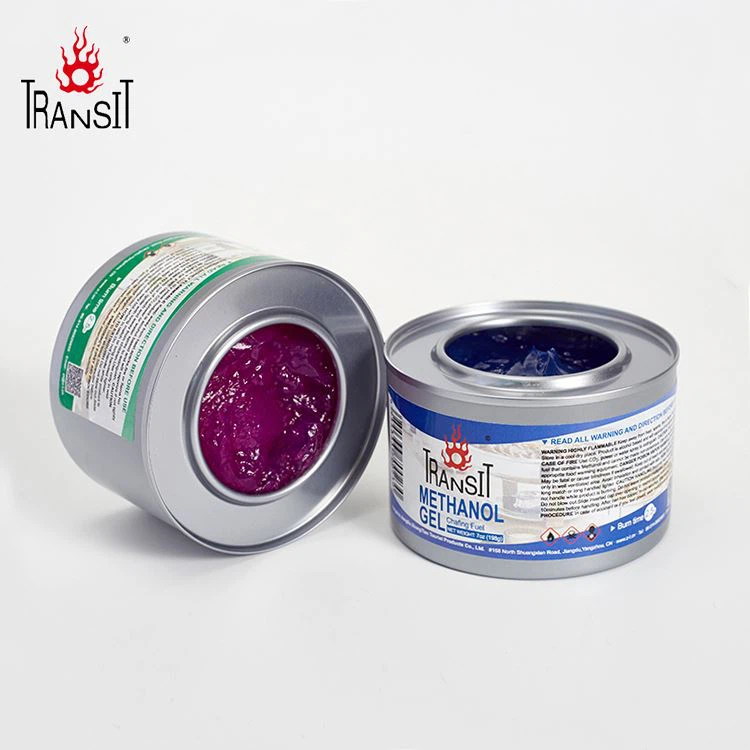
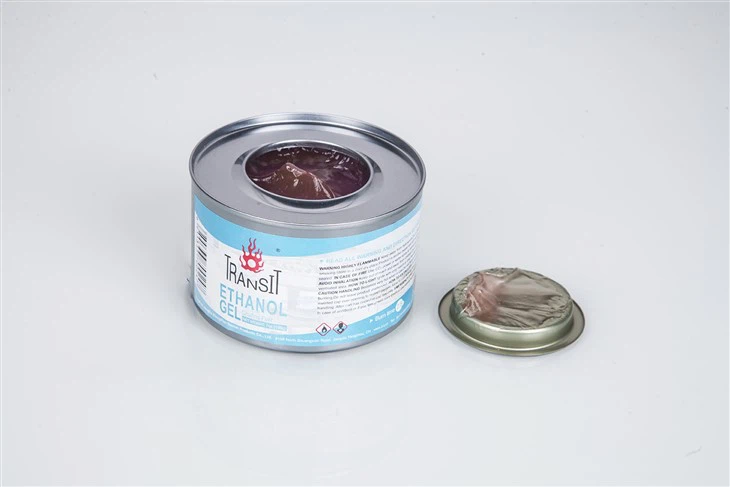
On average, the energy density of alcohol gel fuel typically ranges from around 15 to 20 MJ/L. This is lower than the energy density of pure ethanol but still pretty decent considering the convenience and safety that the gel form offers.
Compared to other types of fuels, alcohol gel fuel has its pros and cons when it comes to energy density. For example, gasoline has a much higher energy density, around 34.2 MJ/L. However, gasoline is also much more volatile and dangerous to handle. Alcohol gel fuel, on the other hand, is much safer. It's less likely to spill, and it burns more cleanly with fewer emissions.
If you're thinking about using alcohol gel fuel for your heating or cooking needs, the energy density affects how long the fuel will last. A higher energy - density fuel will generally burn longer and provide more heat output. So, if you're planning a long camping trip or an outdoor event where you need a continuous heat source, you might want to consider the energy density of the alcohol gel fuel you're using.
As a supplier of Alcohol Gel Fuel, I can attest to the fact that our product has a great balance of energy density and other important features. Our alcohol gel fuel is not only formulated to have a reasonable energy density but also to be environmentally friendly. It's an Eco Smokeless Fuel, which means it burns without producing a bunch of smoke or harmful pollutants.
Another great thing about our alcohol gel fuel is that it's made from Gel Of Bio Ethanol. Bioethanol is a renewable resource, which means it's derived from plant materials like corn, sugarcane, or wheat. This makes our fuel a more sustainable option compared to traditional fossil fuels.
Now, let's talk about some real - world applications of alcohol gel fuel. One of the most popular uses is in camping stoves. Campers love the convenience of alcohol gel fuel because it's easy to carry, doesn't require a complicated fueling system, and can be lit easily with a match or a lighter. The energy density of our alcohol gel fuel ensures that you can cook a decent meal or boil some water during your outdoor adventures.
In addition to camping, alcohol gel fuel is also used in some indoor heating applications. It's often used in small, decorative fireplaces or heaters. The low - smoke and clean - burning properties make it a great choice for indoor use, as long as proper ventilation is provided. And again, the energy density plays a role here. You want a fuel that will keep your space warm for a reasonable amount of time without having to constantly refill the fuel container.
So, if you're in the market for alcohol gel fuel, what should you look for in terms of energy density? Well, first of all, you should find a reputable supplier like us. We've done the testing and research to ensure that our fuel has an optimal energy density for its intended applications.
You should also consider your specific needs. If you need a fuel for short - term use, like a one - day picnic, a slightly lower energy - density fuel might be okay. But if you're planning a multi - day trip or need a continuous heat source, you'll want a fuel with a higher energy density.
When it comes to storage and handling, the energy density also has implications. A fuel with a higher energy density might require more careful storage to prevent any potential fire hazards. But our alcohol gel fuel is designed to be as safe as possible, even with its decent energy density.
In conclusion, the energy density of alcohol gel fuel is an important factor to consider when choosing a fuel for your heating or cooking needs. Our Alcohol Gel Fuel offers a good balance of energy density, safety, and environmental friendliness. Whether you're a camper, a homeowner looking for an alternative heating source, or someone in the hospitality industry, our product can meet your requirements.
If you're interested in learning more about our alcohol gel fuel or are thinking about making a purchase, we'd love to hear from you. Just get in touch with us, and we can discuss your specific needs and how our fuel can fit into your plans.
References
- Various scientific studies on alcohol fuel energy density
- Industry reports on bioethanol and gel fuel properties