

What is the heat output of alcohol gel fuel?
As an alcohol gel fuel supplier, I often get asked about the heat output of our product. It's a crucial question, especially for those who rely on our fuel for various applications, from cooking to heating. So, let's dive into what the heat output of alcohol gel fuel really means and how it affects its usability.
Understanding Heat Output Basics
First off, heat output is usually measured in British Thermal Units (BTUs). A BTU is the amount of heat needed to raise the temperature of one pound of water by one degree Fahrenheit. For alcohol gel fuel, the heat output can vary based on several factors.
One of the main factors is the composition of the gel. Our alcohol gel fuel is made from a blend of high - quality alcohols and gelling agents. Different alcohol types have different energy densities, which directly impact the heat output. For example, ethanol, a common ingredient in our gel, is known for its relatively high energy content. When it burns, it releases a significant amount of heat.
The quality of the gelling agent also plays a role. A good gelling agent should hold the alcohol in a stable gel form while allowing for efficient combustion. If the gelling agent is too thick, it might restrict the oxygen supply to the fuel, reducing the heat output. On the other hand, if it's too thin, the gel may not burn evenly, also affecting the heat released.
Heat Output in Real - World Applications
Let's talk about how the heat output of our alcohol gel fuel translates into real - world scenarios. One of our popular products, Bio Gel Fuel, is often used in outdoor cooking setups. In a small portable stove, it can provide a consistent and reliable heat source. The heat output is just right for boiling water within a reasonable time, say in about 5 - 8 minutes for a small pot (around 1 - 2 liters). This makes it perfect for camping trips or picnics where you need a quick and easy way to prepare hot drinks or simple meals.
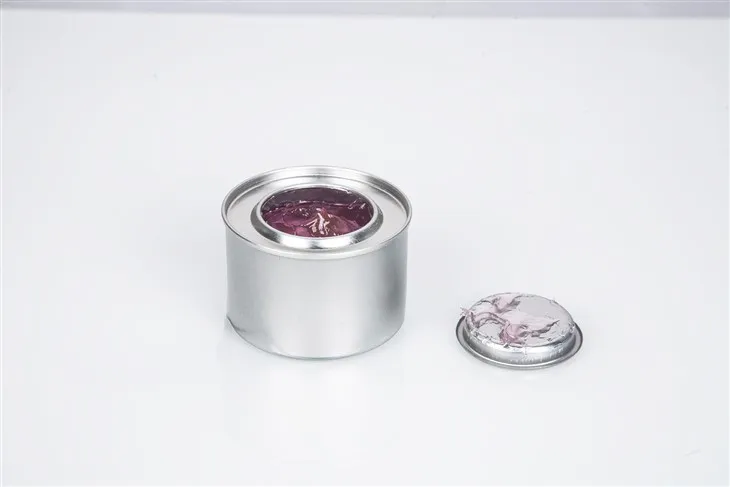
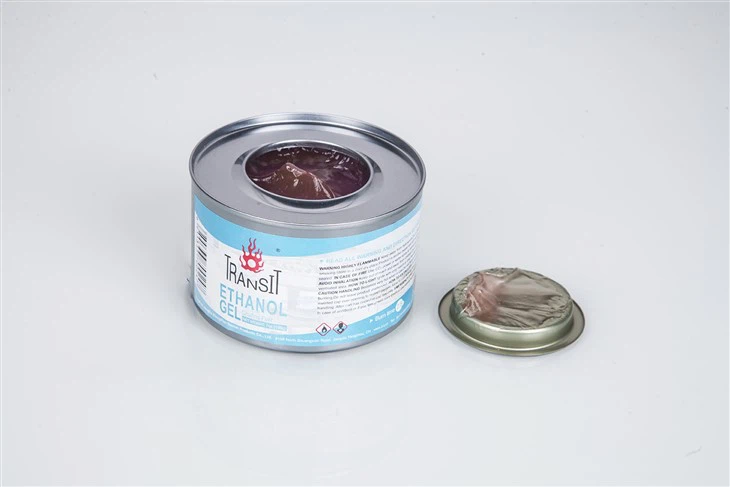
Another application is in chafing dishes. Our Chafing Dish Fuel is specifically formulated to keep food warm at events. The heat output is calibrated to maintain a steady temperature, usually around 140 - 160°F (60 - 71°C), which is ideal for preventing food from spoiling while keeping it at a safe and palatable temperature. This type of consistent heat is achieved by carefully controlling the burning rate of the gel fuel.
In terms of heating, our Eco Smokeless Fuel can be used in small, enclosed spaces. Although it may not be as powerful as a large central heating system, it can provide a cozy and warm environment for a small room. The heat output can raise the temperature of a 100 - square - foot room by about 10 - 15°F (5 - 8°C) within an hour.
Comparing with Other Fuels
When compared to traditional fuels like charcoal or propane, alcohol gel fuel has its own unique advantages in terms of heat output. Charcoal often takes some time to ignite and reach a stable burning temperature. Sometimes, it can also produce inconsistent heat, with hot spots and cooler areas. Our alcohol gel fuel, on the other hand, ignites quickly and provides a more even heat distribution.
Propane can be very powerful in terms of heat output, but it requires special storage and handling. It also comes with some safety risks, such as the possibility of gas leaks. Alcohol gel fuel is relatively safer to store and use. It's non - explosive and doesn't have the risk of gas leaks. While its overall heat output per unit volume may be lower than propane in some cases, its convenience and safety make it a popular choice for many users.
Factors Affecting the Consistency of Heat Output
To ensure a consistent heat output, we pay close attention to the manufacturing process. Quality control is key. We make sure that the ratio of alcohol to gelling agent is precise in every batch. Any deviation in this ratio can lead to variations in heat output.
The storage conditions of the fuel also matter. If the alcohol gel fuel is stored in a very hot or very cold environment for a long time, it can affect its properties. For example, extreme cold can make the gel more viscous, which might slow down the burning rate and reduce the heat output. That's why we recommend storing our fuel at room temperature, between 60 - 80°F (15 - 27°C).
How to Maximize Heat Output
If you're using our alcohol gel fuel, there are a few things you can do to get the most out of its heat output. First, make sure to use a suitable burner. A well - designed burner will provide good air circulation around the gel, allowing for more efficient combustion.
Also, ensure that the fuel is placed in a well - ventilated area. Oxygen is essential for combustion, and a lack of it can lead to incomplete burning and reduced heat output. When lighting the fuel, use a long - handled lighter or a match to avoid any potential burns.
Conclusion
In conclusion, the heat output of our alcohol gel fuel is a well - considered aspect of our product. Whether you're using it for cooking, keeping food warm, or heating a small space, we've designed our fuels to provide a reliable and consistent heat source. The unique properties of our alcohol gel fuel, combined with careful manufacturing and quality control, ensure that you get a product that meets your needs.
If you're interested in learning more about our alcohol gel fuels, their heat output, or would like to discuss a potential purchase, I'd be more than happy to talk. Feel free to reach out and start a conversation about how our products can work for you.
References
- Smith, J. (2018). "Fuel Efficiency and Heat Output in Alcohol - Based Fuels". Journal of Alternative Energy Sources.
- Anderson, M. (2019). "Optimizing Combustion Processes for Gel - Based Fuels". Energy Research Review.