

What is the melting point of the gel of bio - ethanol?
Hey there! As a supplier of Gel Of Bio Ethanol, I often get asked about the melting point of this cool stuff. So, I thought I'd sit down and write a blog post to share everything I know about it.
First off, let's talk a bit about what bio - ethanol gel is. Bio - ethanol is basically ethanol (the alcohol you find in alcoholic drinks, but don't go drinking this one!) that's produced from biomass sources like corn, sugarcane, or other plants. When we turn it into a gel, it becomes much easier to handle and use in a variety of applications.
Now, you might be wondering why the melting point of bio - ethanol gel matters. Well, it's super important for several reasons. For starters, if you're using it as a fuel source, knowing the melting point helps you understand how it'll behave under different temperature conditions. If it melts too easily, it could be a safety hazard. On the other hand, if it has a really high melting point, it might not work well in colder environments.
So, what is the melting point of bio - ethanol gel? Well, it's not a one - size - fits - all answer. The melting point can vary depending on a few factors. One of the main factors is the specific formulation of the gel. Different manufacturers might use different additives or thickeners to turn the bio - ethanol into a gel, and these can affect the melting point.
Typically, the melting point of bio - ethanol gel ranges from around 40°C to 60°C (104°F to 140°F). But this is just a general range, and it can be different for different products. For example, some high - quality gels that are designed to be more stable might have a slightly higher melting point, while gels that are meant for more general use could have a melting point closer to the lower end of that range.
Let's talk about some of the applications where the melting point of bio - ethanol gel plays a crucial role. One of the most common uses is in Gel Chafing Fuel. Chafing dishes are used in catering and food service to keep food warm. The bio - ethanol gel needs to have a melting point that allows it to burn steadily at a temperature that can keep the food at a safe and appetizing temperature. If the melting point is too low, the gel might turn into a liquid too quickly and cause a mess or even a fire hazard. If it's too high, it might not burn efficiently, and the food could start to cool down.
Another popular application is Canned Heat Ethanol Gel. This is often used for camping, outdoor events, or in small stoves. When you're out in the wilderness or at an outdoor gathering, you need a fuel source that's reliable. The melting point of the bio - ethanol gel in canned heat products ensures that it can be easily ignited and burned, even in less - than - ideal temperature conditions.
As a supplier of Gel Of Bio Ethanol, I understand the importance of getting the melting point right. That's why we work hard to develop formulations that are both safe and effective. We test our products rigorously to make sure they meet the highest standards.
Now, let's dig a bit deeper into the science behind the melting point of bio - ethanol gel. The gel is made up of bio - ethanol and a thickening agent. The thickening agent forms a network that traps the bio - ethanol molecules. When heat is applied, the energy causes the bonds in the thickening agent to break, and the gel starts to turn into a liquid. The melting point is essentially the temperature at which this transition occurs.
The type of thickening agent used can have a big impact on the melting point. Some thickeners are more heat - resistant than others. For example, polymers like carboxymethyl cellulose can be used to create a gel with a relatively high melting point. On the other hand, natural gums might result in a gel with a lower melting point.
We also have to consider the purity of the bio - ethanol. Impurities in the bio - ethanol can affect the melting point. If there are other substances mixed in, they can interfere with the way the thickening agent interacts with the bio - ethanol, leading to changes in the melting behavior.
In addition to the melting point, there are other properties of bio - ethanol gel that are important. For example, its flash point (the lowest temperature at which it can form an ignitable mixture with air) is also crucial for safety. We make sure that our products have a high enough flash point to minimize the risk of accidental ignition.
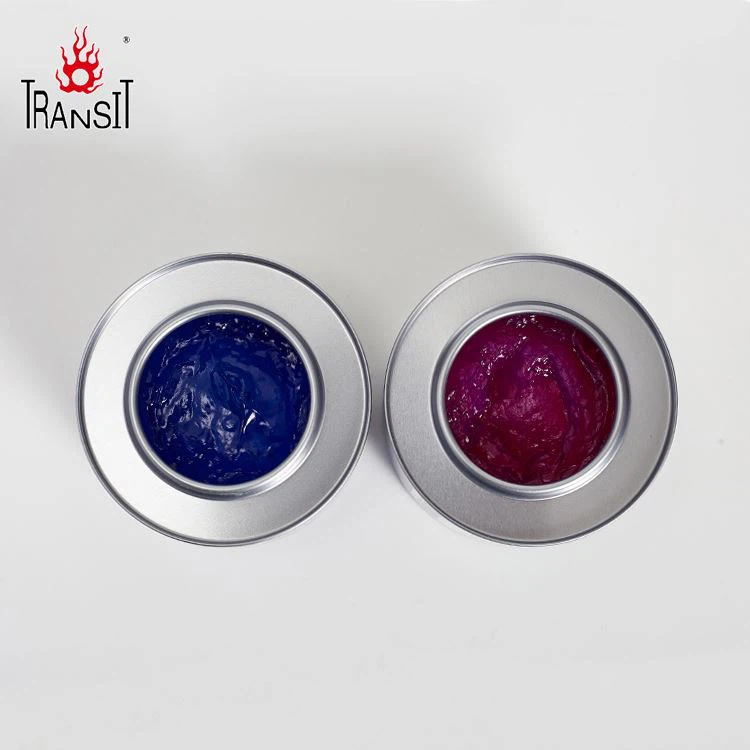

Another property is the burn rate. A good bio - ethanol gel should burn at a steady rate, providing a consistent source of heat. This is related to the melting point because if the gel melts too quickly, it might burn too fast, and if it melts too slowly, it might not burn at all.
So, if you're in the market for bio - ethanol gel, whether it's for chafing fuel, canned heat, or other applications, it's important to consider the melting point. You want a product that's going to work well in your specific situation.
If you're interested in learning more about our Gel Of Bio Ethanol products or have any questions about the melting point or other properties, don't hesitate to reach out. We're always happy to chat and help you find the right product for your needs. Whether you're a caterer, a camper, or just someone looking for a clean and efficient fuel source, we've got you covered.
In conclusion, the melting point of bio - ethanol gel is a key factor that affects its performance and safety. By understanding the factors that influence it and choosing a high - quality product, you can ensure that you get the most out of your bio - ethanol gel. So, if you're thinking about making a purchase, give us a shout, and we'll be glad to assist you in your procurement process.
References
- Various scientific studies on bio - ethanol gel properties
- Industry standards and guidelines for bio - ethanol gel products