

What temperature does catering fuel gel reach when burning?
As a dedicated supplier of Catering Fuel Gel, I often get asked a crucial question by our clients: "What temperature does catering fuel gel reach when burning?" Understanding this aspect is essential for anyone in the catering industry, as it directly impacts cooking efficiency, food quality, and overall operational effectiveness. In this blog post, I'll delve into the science behind the burning temperature of catering fuel gel, exploring the factors that influence it and how it compares to other fuel sources.
The Basics of Catering Fuel Gel
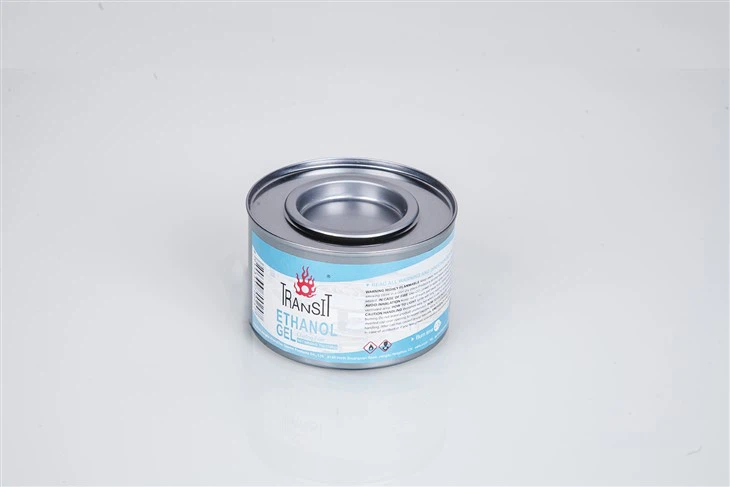
Catering fuel gel is a popular choice for many catering businesses due to its convenience, safety, and clean - burning properties. Unlike traditional liquid fuels, gel fuels are more stable and less likely to spill, making them ideal for use in various catering settings, from outdoor events to indoor restaurants.
There are different types of catering fuel gels available in the market, such as Bio Gel Fuel, Bioethanol Fire Gel, and Alcohol Gel Fuel. Each type has its own unique chemical composition, which in turn affects its burning temperature.
Factors Affecting the Burning Temperature
The burning temperature of catering fuel gel is influenced by several key factors:
Chemical Composition
The primary components of the fuel gel play a significant role in determining its burning temperature. For example, bioethanol - based gels typically have a relatively high energy density, which allows them to reach higher temperatures compared to some other types of gels. Ethanol burns at a temperature range of approximately 1200 - 1300°F (649 - 704°C) under ideal conditions. However, when it is formulated into a gel, other additives are included to thicken the liquid and improve its stability. These additives can slightly alter the burning characteristics and temperature.
Oxygen Supply
Adequate oxygen is essential for the combustion process. In a well - ventilated environment, the fuel gel can burn more efficiently, reaching its maximum potential temperature. When there is insufficient oxygen, the combustion is incomplete, resulting in a lower burning temperature and the production of more soot and harmful by - products. For instance, in a closed or poorly ventilated space, the temperature of the burning gel may be significantly lower than in an open, well - ventilated area.
Gel Consistency
The consistency of the fuel gel also affects its burning temperature. A thicker gel may burn more slowly and at a lower temperature compared to a thinner gel. This is because a thicker gel restricts the flow of oxygen to the fuel, making it more difficult for the combustion process to occur rapidly. Manufacturers often adjust the gel consistency based on the intended use of the product, balancing factors such as burn time and temperature.
Typical Burning Temperatures
On average, catering fuel gels can reach temperatures ranging from 900 - 1400°F (482 - 760°C). However, this is a broad range, and the actual temperature can vary depending on the factors mentioned above.
For Bio Gel Fuel, which is often made from renewable resources, it can typically reach temperatures in the range of 1000 - 1200°F (538 - 649°C). This temperature is sufficient for many catering applications, such as keeping food warm in chafing dishes or cooking simple items like eggs and pancakes.
Bioethanol Fire Gel has a relatively high energy content and can reach temperatures closer to the upper end of the range, around 1200 - 1400°F (649 - 760°C). This makes it suitable for more demanding cooking tasks, such as grilling or searing.
Alcohol Gel Fuel usually burns at temperatures between 900 - 1100°F (482 - 593°C). It is often used for less intense cooking needs, such as warming sauces or melting cheese.
Comparison with Other Fuel Sources
When comparing catering fuel gel with other common fuel sources, such as propane or butane, there are some notable differences in burning temperature.
Propane burns at a very high temperature, typically around 3595°F (1979°C). This makes it extremely powerful and suitable for high - heat cooking tasks like commercial grilling. However, propane also requires special storage and handling equipment, and it can be more dangerous if not used properly.
Butane burns at a temperature of approximately 3270°F (1800°C). Similar to propane, it is a high - energy fuel but also has its own safety considerations.
In contrast, catering fuel gels are generally safer and more convenient to use, although they may not reach the extremely high temperatures of propane or butane. However, for many catering applications, the temperature range of fuel gels is more than sufficient.
Importance of Knowing the Burning Temperature
Understanding the burning temperature of catering fuel gel is crucial for several reasons:
Cooking Efficiency
Knowing the temperature allows chefs and caterers to plan their cooking processes more effectively. They can choose the right fuel gel based on the type of food they are cooking and the required cooking time. For example, if a dish needs to be cooked quickly at a high temperature, a bioethanol - based gel with a higher burning temperature would be a better choice.

Food Quality
The right burning temperature ensures that food is cooked evenly and to the desired level of doneness. If the temperature is too low, the food may not cook properly, resulting in a raw or undercooked center. On the other hand, if the temperature is too high, the food may burn on the outside while remaining raw inside.
Safety
Being aware of the burning temperature helps in ensuring the safety of the catering operation. It allows for the proper selection of cooking equipment and the implementation of safety measures to prevent accidents such as fires or burns.
Conclusion
In conclusion, the burning temperature of catering fuel gel is a complex characteristic that is influenced by multiple factors, including chemical composition, oxygen supply, and gel consistency. On average, it can reach temperatures between 900 - 1400°F (482 - 760°C), with different types of gels having their own typical temperature ranges.
As a supplier of Catering Fuel Gel, we are committed to providing high - quality products that meet the diverse needs of our clients. Whether you are a small - scale caterer or a large - scale event planner, understanding the burning temperature of our fuel gels can help you make informed decisions about your cooking processes.
If you are interested in learning more about our catering fuel gels or would like to discuss your specific requirements, we encourage you to reach out to us. Our team of experts is ready to assist you in finding the perfect fuel solution for your catering business.
References
- "Combustion Science and Engineering" by Richard A. Strehlow
- "Fuel Technology Handbook" by James G. Speight