

Can Handy Fuel Gel be used in a gas fireplace conversion?
As a supplier of Handy Fuel Gel, I often encounter inquiries about the diverse applications of our product, especially regarding its potential use in gas fireplace conversions. This blog post aims to delve into this topic, providing a comprehensive analysis of whether Handy Fuel Gel can be a viable option for such conversions.
Understanding Handy Fuel Gel
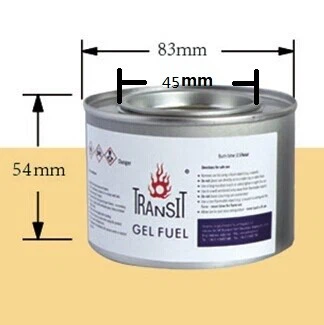
Before we explore its suitability for gas fireplace conversions, let's first understand what Handy Fuel Gel is. Handy Fuel Gel is a type of Canned Methanol Gel that offers a convenient and clean-burning fuel source. It is formulated to provide a consistent and long-lasting flame, making it ideal for various heating and cooking applications. The gel form ensures easy handling and storage, and it can be ignited quickly with a simple match or lighter.
One of the key advantages of Handy Fuel Gel is its high energy density. This means that a small amount of the gel can produce a significant amount of heat, making it an efficient fuel option. Additionally, it burns relatively cleanly, producing fewer emissions compared to some traditional fuels. This makes it a more environmentally friendly choice for those looking to reduce their carbon footprint.

Gas Fireplace Conversions: An Overview
Gas fireplaces are a popular choice for homeowners due to their convenience, efficiency, and aesthetic appeal. However, there are instances where homeowners may want to convert their gas fireplaces to use an alternative fuel source. This could be due to a variety of reasons, such as a desire for a more sustainable fuel option, a need to reduce energy costs, or a preference for the ambiance created by a different type of flame.
A gas fireplace conversion typically involves replacing the existing gas burner and ignition system with a new setup that is compatible with the chosen alternative fuel. This process requires careful planning and installation to ensure that the fireplace operates safely and efficiently.
Can Handy Fuel Gel be Used in a Gas Fireplace Conversion?
The question of whether Handy Fuel Gel can be used in a gas fireplace conversion is not a straightforward one. There are several factors to consider, including safety, compatibility, and performance.
Safety Considerations
Safety is always the top priority when it comes to any type of fireplace conversion. Gas fireplaces are designed to operate with specific types of fuel, and using an incompatible fuel can pose serious safety risks. Handy Fuel Gel burns differently than natural gas or propane, which are the typical fuels used in gas fireplaces. It may produce different levels of heat, flame characteristics, and emissions.
Before attempting to use Handy Fuel Gel in a gas fireplace conversion, it is crucial to consult with a professional fireplace installer or technician. They can assess the fireplace's design and determine whether it can be safely modified to use the gel fuel. Additionally, they can ensure that all necessary safety features, such as proper ventilation and flame control, are in place.
Compatibility
Another important consideration is the compatibility of Handy Fuel Gel with the existing fireplace components. Gas fireplaces are equipped with burners, valves, and ignition systems that are specifically designed for use with natural gas or propane. These components may not be compatible with the gel fuel, which could lead to improper combustion, reduced efficiency, or even damage to the fireplace.
In some cases, it may be possible to retrofit the fireplace with components that are designed to work with gel fuels. However, this requires careful selection and installation to ensure that the system functions properly. For example, a new burner may need to be installed to ensure that the gel fuel is distributed evenly and burns efficiently.
Performance
The performance of Handy Fuel Gel in a gas fireplace conversion is also a key factor to consider. Gas fireplaces are known for their ability to provide instant heat and precise temperature control. Handy Fuel Gel, on the other hand, may take a bit longer to reach its maximum heat output and may not offer the same level of temperature control.
However, Handy Fuel Gel can still provide a warm and inviting ambiance. Its flame characteristics are different from those of a gas fireplace, creating a more rustic and natural look. This can be appealing to homeowners who are looking for a unique and cozy atmosphere in their living space.
Advantages of Using Handy Fuel Gel in a Gas Fireplace Conversion
Despite the challenges, there are several advantages to using Handy Fuel Gel in a gas fireplace conversion.
Convenience
Handy Fuel Gel is easy to store and transport. It comes in convenient containers that can be easily stored in a closet or garage. Unlike natural gas or propane, which require a connection to a gas line or a bulky propane tank, Handy Fuel Gel can be used anywhere without the need for a complex installation.
Cost-Effectiveness
In some cases, using Handy Fuel Gel can be more cost-effective than using natural gas or propane. The cost of the gel fuel may be lower, especially if you purchase it in bulk. Additionally, there are no installation costs associated with connecting to a gas line or purchasing a propane tank.
Environmental Friendliness
As mentioned earlier, Handy Fuel Gel burns relatively cleanly, producing fewer emissions compared to some traditional fuels. This makes it a more environmentally friendly choice for those looking to reduce their impact on the environment.
Disadvantages of Using Handy Fuel Gel in a Gas Fireplace Conversion
There are also some disadvantages to using Handy Fuel Gel in a gas fireplace conversion.
Limited Heat Output
Compared to gas fireplaces, Handy Fuel Gel may have a lower heat output. This means that it may not be able to heat a large room as effectively as a gas fireplace. If you are looking for a fuel source that can provide a high level of heat, Handy Fuel Gel may not be the best option.
Maintenance
Using Handy Fuel Gel in a gas fireplace conversion may require more maintenance than using natural gas or propane. The gel fuel can leave behind residue and ash, which need to be cleaned regularly to ensure proper combustion and prevent damage to the fireplace.
Conclusion
In conclusion, the use of Handy Fuel Gel in a gas fireplace conversion is a complex issue that requires careful consideration. While it is possible to use the gel fuel in a converted fireplace, it is important to ensure that all safety, compatibility, and performance factors are taken into account.
If you are interested in using Handy Fuel Gel in a gas fireplace conversion, I recommend consulting with a professional fireplace installer or technician. They can provide you with expert advice and guidance on the best way to proceed.
At our company, we are committed to providing high-quality Handy Fuel Gel and excellent customer service. If you have any questions or would like to discuss your options for using Handy Fuel Gel in a gas fireplace conversion, please feel free to contact us. We would be happy to assist you in making an informed decision.
References
- "Fireplace Safety Guidelines," National Fire Protection Association.
- "Gas Fireplace Installation and Maintenance Manual," [Manufacturer's Name].
- "Methanol Gel Fuels: Properties and Applications," Journal of Energy Research.