

How do I dispose of Gel Chafing Fuel?
As a supplier of Gel Chafing Fuel, I often receive inquiries from customers about how to properly dispose of this product. It's a crucial topic because improper disposal can pose significant risks to the environment and human health. In this blog, I'll share some detailed and scientific guidelines on how to dispose of Gel Chafing Fuel safely and responsibly.
Understanding Gel Chafing Fuel
Before delving into the disposal methods, it's essential to understand what Gel Chafing Fuel is. Gel Chafing Fuel, also known as Chafing Dish Fuel, is a popular fuel source used to keep food warm in buffet settings. It comes in a gel form, which makes it safer and more convenient to use compared to liquid fuels. The gel consistency reduces the risk of spills and splashes, and it burns cleanly, producing minimal smoke and odor.
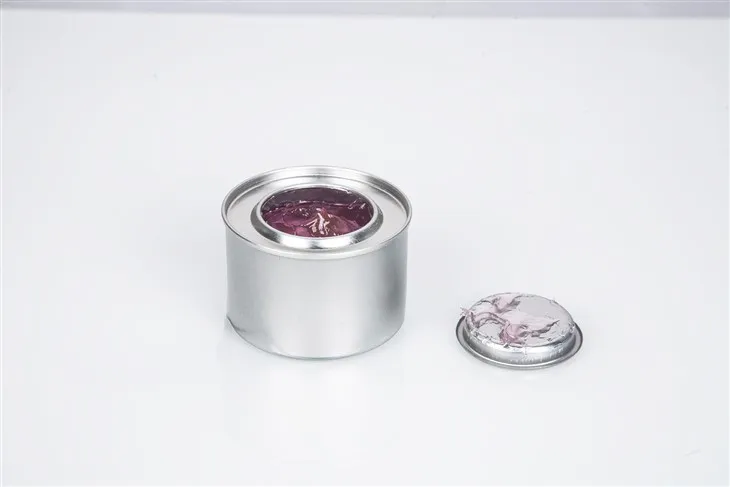
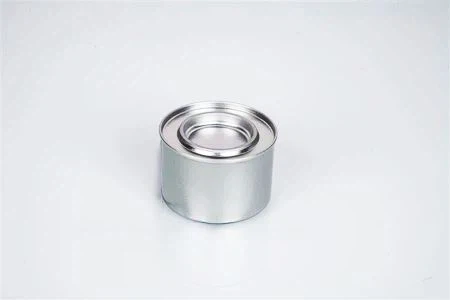
Most Gel Chafing Fuels are made from bioethanol, a renewable and eco - friendly energy source. Bioethanol is produced from the fermentation of plant materials such as corn, sugarcane, or wheat. This makes Gel Chafing Fuel a more sustainable option for catering and hospitality industries. For example, Buffet Fuel is a well - known type of Gel Chafing Fuel that offers reliable performance and is widely used in buffets around the world.
Why Proper Disposal Matters
Proper disposal of Gel Chafing Fuel is of utmost importance for several reasons. First and foremost, Gel Chafing Fuel is a flammable substance. If not disposed of correctly, it can cause fires or explosions, endangering lives and property. Secondly, the chemicals in the fuel can contaminate soil and water sources if they are released into the environment. This can have a negative impact on wildlife, plants, and human health. For instance, bioethanol, although considered eco - friendly, can still have adverse effects on aquatic life if it enters water bodies in large quantities.
Pre - Disposal Precautions
Before you start the disposal process, there are several precautions you need to take. First, make sure the fuel is completely extinguished. Gel Chafing Fuel can continue to burn even when it seems to have gone out, so it's important to wait at least 30 minutes after the flame has been extinguished to ensure there is no residual heat.
Secondly, store the used fuel containers in a cool, dry, and well - ventilated area away from any sources of heat or ignition. This reduces the risk of accidental fires. Also, keep the containers out of reach of children and pets.
Disposal Methods
Recycling
If possible, recycling is the best option for disposing of Gel Chafing Fuel. Some recycling facilities are equipped to handle bioethanol - based fuels. You can contact your local recycling center to inquire if they accept Gel Chafing Fuel. They may have specific requirements for collection and processing, such as the need to separate the fuel from its container or to bring it in a certain quantity.
Return to the Supplier
As a Gel Chafing Fuel supplier, I encourage customers to return used fuel containers to us. We have the proper facilities and expertise to handle the disposal safely. By returning the fuel to the supplier, you can ensure that it is recycled or disposed of in an environmentally friendly manner. This also helps us to manage our waste more effectively and reduce our environmental impact.
Local Hazardous Waste Collection
If recycling or returning to the supplier is not an option, you can take the used Gel Chafing Fuel to a local hazardous waste collection facility. These facilities are designed to handle a variety of hazardous materials, including flammable substances. Before taking your fuel to the collection site, check their operating hours and any specific requirements they may have. You may need to fill out a form or label the containers appropriately.
Disposal of Empty Containers
Once the fuel has been properly disposed of, you also need to consider the disposal of the empty containers. Most Gel Chafing Fuel containers are made of plastic or metal. If the containers are clean and free of any residual fuel, they can usually be recycled with your regular household recycling. However, if there is still some fuel left in the container, it should be treated as hazardous waste and disposed of accordingly.
Training and Education
As a supplier, I believe in the importance of training and education for our customers. We provide detailed instructions on how to use and dispose of our Gel Chafing Fuel safely. We also offer training programs for catering staff and event organizers to ensure they are aware of the proper procedures. By educating our customers, we can help prevent accidents and promote responsible waste management.
Conclusion
Proper disposal of Gel Chafing Fuel is a shared responsibility between suppliers, customers, and the community. By following the guidelines outlined in this blog, you can ensure that the fuel is disposed of safely and in an environmentally friendly manner. Whether it's through recycling, returning to the supplier, or using local hazardous waste collection facilities, every effort counts in protecting our environment and reducing the risk of accidents.
If you are interested in purchasing Gel Chafing Fuel or have any questions about its use and disposal, please feel free to contact us. We are committed to providing high - quality products and excellent customer service. Let's work together to make the catering and hospitality industries more sustainable and safer.
References
- Environmental Protection Agency (EPA). Guidelines for Hazardous Waste Disposal.
- International Bioethanol Industry Association. Best Practices for Bioethanol - Based Fuel Management.
- Local Hazardous Waste Collection Facility Regulations.