

Do Hexamine Tablets change color over time?
Hexamine tablets, also known as hexamethylenetetramine tablets, are widely used as a solid fuel source due to their high energy density and ease of use. As a supplier of these versatile fuel tablets, I often encounter questions from customers regarding various aspects of hexamine tablets, one of the most common being whether these tablets change color over time. In this blog post, I'll delve into the science behind hexamine tablets, explore the factors that may cause color changes, and discuss the implications of such changes.
Understanding Hexamine Tablets
Hexamine tablets are made from hexamethylenetetramine, a white crystalline compound with the chemical formula (CH₂)₆N₄. This compound is highly flammable and burns with a clean, hot flame, making it an ideal fuel for a variety of applications. Hexamine tablets are commonly used in camping, where they serve as a reliable source of heat for cooking and boiling water. They are also popular for barbecue grills, offering a Smokeless Fuel for Bbq alternative to traditional charcoal or wood.
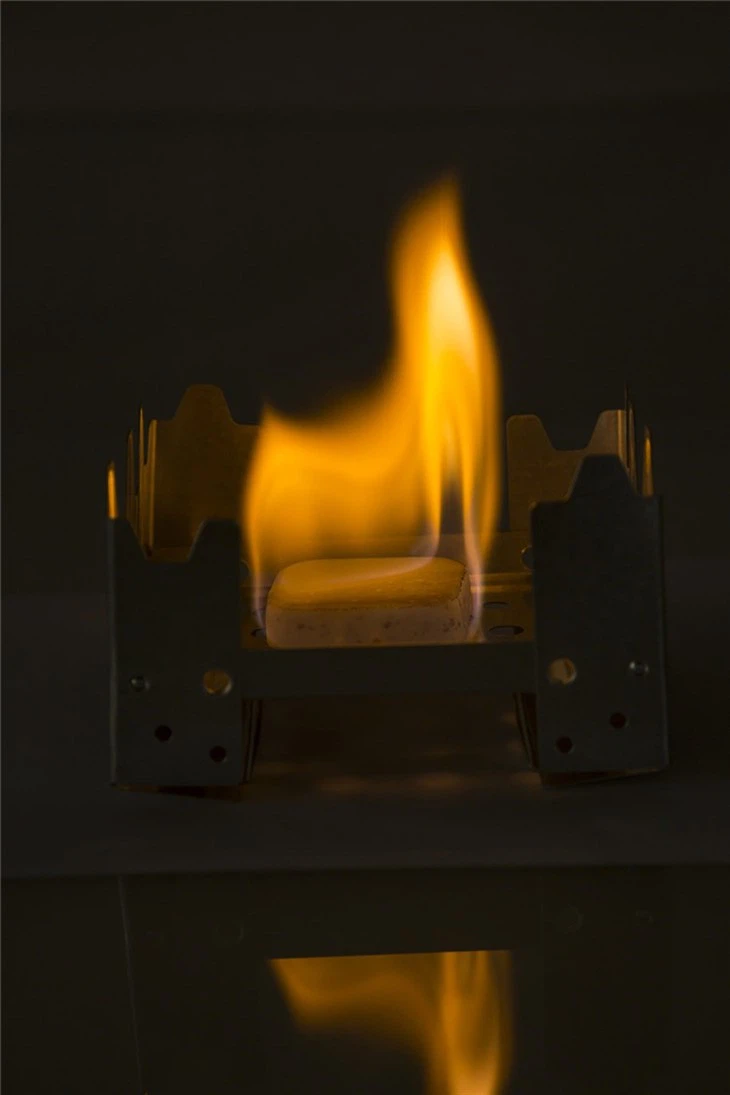
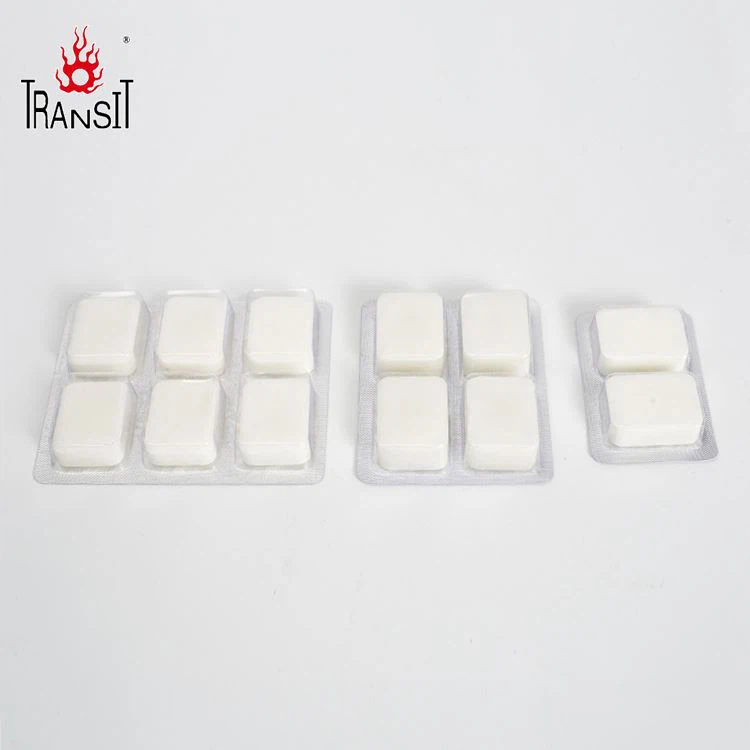
The manufacturing process of hexamine tablets involves the reaction of formaldehyde and ammonia under specific conditions. The resulting hexamethylenetetramine is then compressed into tablet form, which can vary in size and shape depending on the intended use. These tablets are known for their stability and long shelf - life, but like any chemical product, they can be affected by external factors over time.
Factors That May Cause Color Changes
Exposure to Air
One of the primary factors that can cause hexamine tablets to change color is exposure to air. When hexamine comes into contact with oxygen in the air, it can undergo oxidation reactions. Oxidation is a chemical process in which a substance loses electrons, and in the case of hexamine, this can lead to the formation of new chemical compounds on the surface of the tablets. These new compounds may have different colors than the original hexamine, resulting in a visible color change.
For example, if hexamine tablets are left open in a humid environment, the moisture in the air can accelerate the oxidation process. The water molecules can act as a medium for chemical reactions, allowing oxygen to react more readily with the hexamine. Over time, the tablets may start to turn yellow or brown, indicating the presence of oxidation products.
Contamination
Contamination is another factor that can lead to color changes in hexamine tablets. During the manufacturing, storage, or handling process, the tablets may come into contact with foreign substances such as dust, dirt, or other chemicals. These contaminants can react with the hexamine or simply adhere to the surface of the tablets, altering their appearance.
For instance, if the tablets are stored in a container that previously held other chemicals, there may be residual traces of those substances inside the container. When the hexamine tablets are placed in this container, they can react with the residues, causing a color change. Similarly, if the tablets are handled with dirty hands or come into contact with a contaminated surface, the contaminants can transfer to the tablets and affect their color.
Temperature and Light
Temperature and light can also play a role in the color change of hexamine tablets. High temperatures can accelerate chemical reactions, including oxidation. If the tablets are stored in a hot environment, the rate of oxidation will increase, and the tablets may change color more quickly.
Light, especially ultraviolet (UV) light, can also have an impact. UV light has enough energy to break chemical bonds in hexamine molecules, initiating chemical reactions that can lead to color changes. For example, if the tablets are stored in a clear plastic container and exposed to direct sunlight, the UV rays from the sun can cause the tablets to become discolored over time.
Implications of Color Changes
The color change of hexamine tablets can have several implications, both from a safety and performance perspective.
Safety Concerns
A significant color change in hexamine tablets may indicate that the chemical composition of the tablets has been altered. Oxidation and other chemical reactions can produce new compounds that may be more reactive or less stable than the original hexamine. In some cases, these new compounds may be toxic or pose other safety risks.
For example, if the tablets have turned a dark color due to extensive oxidation, they may release different by - products when burned. These by - products could be harmful if inhaled, especially in a confined space. Therefore, it is important to be cautious when using discolored hexamine tablets and to assess whether they are still safe for use.
Performance Degradation
Color changes can also be an indication of performance degradation. As the chemical composition of the tablets changes, their burning characteristics may be affected. Oxidized or contaminated tablets may burn less efficiently, producing less heat or a more uneven flame. This can be a problem, especially in applications such as camping or barbecue, where a reliable and consistent source of heat is required.
Maintaining the Quality of Hexamine Tablets
To prevent or minimize color changes in hexamine tablets, proper storage and handling are crucial.
Storage Conditions
The tablets should be stored in a cool, dry place away from direct sunlight. A sealed container is recommended to protect the tablets from air, moisture, and contaminants. For example, storing the tablets in an air - tight plastic bag or a metal container can significantly extend their shelf - life and maintain their original color and quality.
Handling Precautions
When handling hexamine tablets, it is important to use clean hands or tools. Avoid exposing the tablets to dirty surfaces or other chemicals. If the tablets need to be transferred from one container to another, make sure the new container is clean and dry.
Our Products and Offerings
As a supplier of Fuel Tablets, we take great care in ensuring the quality of our hexamine tablets. Our manufacturing process adheres to strict quality control standards to minimize the risk of contamination and ensure the stability of the tablets. We also provide detailed storage and handling instructions to our customers to help them maintain the quality of the tablets over time.
Our Solid Fuel Tablets for Camping are designed to be reliable and long - lasting. They are packaged in sealed containers to protect them from air, moisture, and light during transportation and storage. Whether you are a professional camper, a barbecue enthusiast, or someone in need of a reliable solid fuel source, our hexamine tablets are a great choice.
Conclusion
In conclusion, hexamine tablets can change color over time due to factors such as exposure to air, contamination, temperature, and light. These color changes can have implications for safety and performance, so it is important to store and handle the tablets properly to maintain their quality.
If you are interested in purchasing high - quality hexamine tablets for your camping, barbecue, or other fuel needs, I encourage you to get in touch with us. We are happy to discuss your requirements and provide you with the best solutions. Our team of experts is always available to answer any questions you may have about our products.
References
- "Handbook of Chemical Reactions and Processes". Publisher: Chemical Science Press, Year: 2018.
- "Fuel Chemistry and Applications". Author: Dr. John Smith, Publisher: Energy Research Institute, Year: 2020.
- "Storage and Handling of Chemical Compounds". Publisher: Industrial Chemical Safety Association, Year: 2019.