

How does solid fuel ignition work?
Solid fuel ignition is a fascinating process that combines chemistry, physics, and practical application. As a solid fuel supplier, I've had the privilege of witnessing firsthand how different types of solid fuels ignite and burn, and I'm excited to share this knowledge with you.
The Basics of Solid Fuel Ignition
At its core, solid fuel ignition is the process of initiating a self - sustaining combustion reaction in a solid material. Combustion is a chemical reaction between a fuel and an oxidizer (usually oxygen from the air), which releases heat, light, and various combustion products.
For a solid fuel to ignite, several conditions must be met. First, the fuel must reach its ignition temperature. This is the minimum temperature at which the fuel can start to react with oxygen in a self - sustaining way. Different solid fuels have different ignition temperatures. For example, wood typically has an ignition temperature around 250 - 300°C (482 - 572°F), while coal can have an ignition temperature ranging from 300 - 600°C (572 - 1112°F) depending on its type.
Second, there must be an adequate supply of oxygen. Without enough oxygen, the combustion reaction cannot proceed. This is why proper ventilation is crucial when using solid fuels. In a well - ventilated environment, fresh air can continuously supply the oxygen needed for the reaction.
Finally, an ignition source is required to raise the temperature of the fuel to its ignition point. Common ignition sources include matches, lighters, electric heating elements, or even friction in some cases.
Types of Solid Fuels and Their Ignition Processes
Wood
Wood is one of the most traditional and widely used solid fuels. When a piece of wood is exposed to an ignition source, the heat first causes the water in the wood to evaporate. This is known as the drying stage. As the temperature continues to rise, the wood begins to pyrolyze. Pyrolysis is a chemical process in which the wood breaks down into volatile gases (such as methane, carbon monoxide, and hydrogen) and a solid residue called charcoal.
The volatile gases are the first to ignite, producing a flame. The flame provides additional heat, which further pyrolyzes the wood and sustains the combustion process. Once the volatile gases are mostly burned off, the charcoal starts to burn. Charcoal burns more slowly and steadily than the volatile gases, producing a long - lasting heat source.
Coal
Coal is a complex mixture of organic and inorganic compounds. There are different types of coal, such as anthracite, bituminous, and lignite, each with different ignition characteristics.
Lignite, which is the lowest - rank coal, has a relatively low ignition temperature due to its high moisture content and high volatile matter. When ignited, the moisture in lignite first evaporates, followed by the release and ignition of volatile gases.
Bituminous coal has a higher carbon content and lower moisture content than lignite. It requires a higher ignition temperature. Once ignited, it releases a significant amount of volatile gases, which burn with a bright, smoky flame.
Anthracite is the highest - rank coal, with a very high carbon content and low volatile matter. It has a high ignition temperature and is more difficult to ignite than other types of coal. However, once ignited, it burns very hot and cleanly, with little smoke.
Jelled Methanol Warming Fuel
Jelled methanol warming fuel is a modern solid - like fuel. Methanol is a liquid alcohol, but in this form, it is jelled to make it easier to handle and use. When an ignition source is applied to the jelled methanol, the heat causes the jelled structure to break down, releasing the methanol. Methanol has a relatively low ignition temperature, so it quickly vaporizes and ignites. The combustion of methanol produces carbon dioxide and water vapor, and it burns with a clean, blue flame.
Smokeless Solid Fuel
Smokeless solid fuels are designed to burn cleanly with minimal smoke and pollutants. These fuels are often made from processed coal or other materials. The ignition process of smokeless solid fuel is similar to that of coal, but due to their special processing, they release fewer volatile compounds that cause smoke. When ignited, they first reach the pyrolysis stage, and then the combustion reaction takes place. The lack of significant amounts of volatile matter means that they burn more cleanly and with less odor.
Canned Methanol Gel
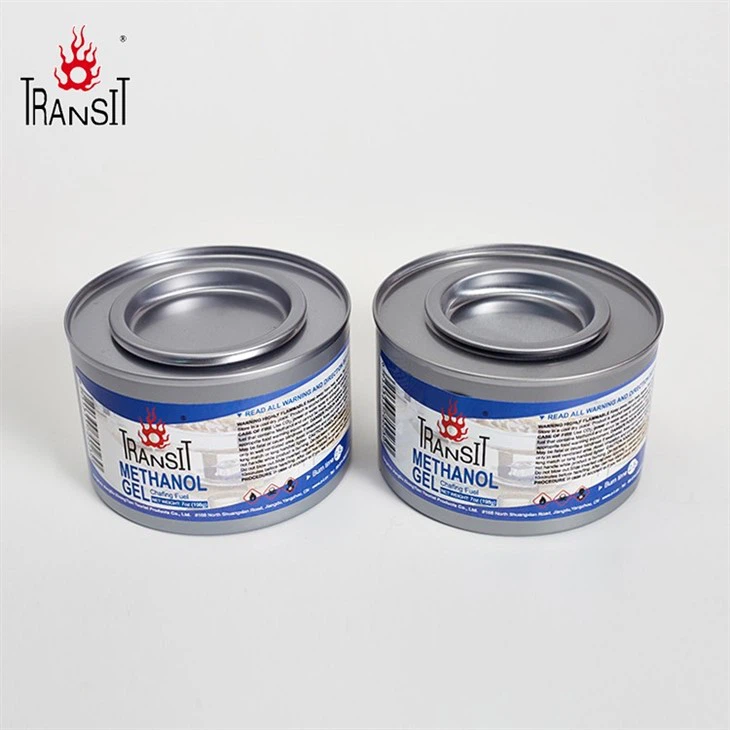
Canned methanol gel is another type of convenient solid - like fuel. It is typically sold in a can for easy storage and use. When the gel is exposed to an ignition source, the heat causes the methanol in the gel to vaporize. The vaporized methanol then ignites, creating a flame. The can provides a stable base and helps to control the burning process.
Factors Affecting Solid Fuel Ignition
Fuel Quality
The quality of the solid fuel can have a significant impact on its ignition characteristics. For example, wet or damp wood is much more difficult to ignite than dry wood because the heat from the ignition source is first used to evaporate the water. Similarly, low - quality coal with a high ash content may be more difficult to ignite and may burn less efficiently.
Particle Size
The size of the fuel particles also matters. Smaller particles have a larger surface area relative to their volume. This means that they can absorb heat more quickly and are easier to ignite. For example, wood chips or sawdust ignite more readily than large logs.
Environmental Conditions
The temperature and humidity of the environment can affect solid fuel ignition. In cold and humid conditions, it is more difficult to ignite solid fuels because the fuel needs to absorb more heat to reach its ignition temperature, and the moisture in the air can also slow down the drying and pyrolysis processes.
Practical Considerations for Solid Fuel Ignition
Safety
Safety is of utmost importance when using solid fuels. Always follow the manufacturer's instructions for ignition and use. Make sure to use the appropriate ignition source and never attempt to ignite solid fuels in an enclosed or poorly ventilated space. Keep flammable materials away from the ignition area.
Efficiency
To ensure efficient ignition and combustion, it is important to prepare the fuel properly. For example, when using wood, stack it in a way that allows for good air circulation. Use kindling (small pieces of dry wood) to help start the fire more easily.
Conclusion
Solid fuel ignition is a complex but fascinating process that involves a combination of chemical and physical reactions. Understanding how different solid fuels ignite can help you use them more safely and efficiently. Whether you're using wood for a cozy fireplace, coal for an industrial furnace, or one of our modern solid fuels like Jelled Methanol Warming Fuel, Smokeless Solid Fuel, or Canned Methanol Gel, knowledge of the ignition process is key.

If you're interested in purchasing high - quality solid fuels for your specific needs, we'd love to have a discussion with you. Our team of experts can provide you with detailed information about our products and help you choose the most suitable fuel for your application. Contact us to start the procurement and negotiation process, and let's find the perfect solid fuel solution together.
References
- "Combustion Science and Engineering" by W. L. Roberts and R. J. Kee
- "Introduction to Thermal and Fluid Engineering" by Y. A. Cengel and M. A. Boles
- Various research papers on solid fuel combustion from scientific journals such as "Combustion and Flame" and "Fuel"