

Is alcohol gel fuel non - toxic?
As a supplier of Alcohol Gel Fuel, I often encounter questions from customers regarding the safety and toxicity of our products. This topic is not only crucial for consumers who prioritize health and environmental concerns but also for the industry as a whole. In this blog, I'll delve into the question: Is alcohol gel fuel non - toxic?
Understanding Alcohol Gel Fuel
Alcohol gel fuel is a type of fuel that comes in a gel form. It is primarily made from alcohol, usually ethanol or methanol. Ethanol, which is the alcohol found in alcoholic beverages, is a common choice for gel fuels due to its relatively clean - burning properties. Methanol, on the other hand, is more toxic but has been used in some industrial - grade gel fuels.
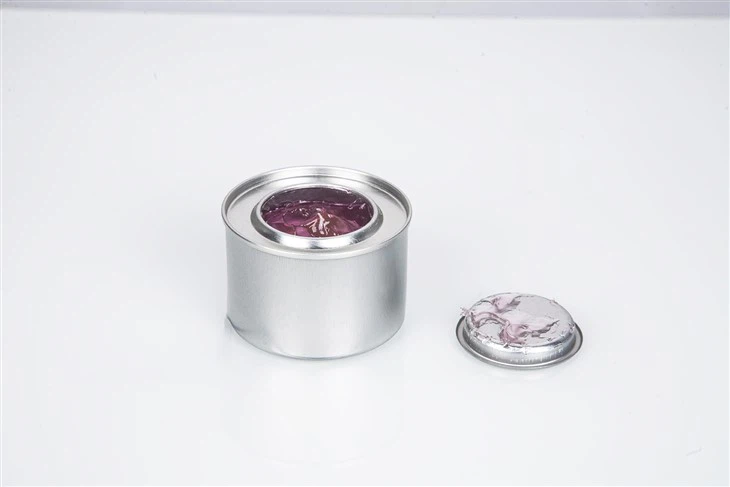
Our company offers a range of high - quality alcohol gel fuels, including Canned Heat Ethanol Gel, Bioethanol Fire Gel, and Buffet Fuel. These products are designed for various applications, such as heating, cooking, and providing a decorative flame.
Toxicity of Ethanol - Based Gel Fuels
Ethanol is generally considered to be less toxic compared to other types of alcohols. When burned, ethanol - based gel fuels produce carbon dioxide and water vapor, which are natural by - products of combustion. In a well - ventilated area, the emissions from burning ethanol gel fuel are relatively harmless.
However, it's important to note that ethanol can be toxic if ingested in large quantities. It can cause symptoms such as dizziness, nausea, and in severe cases, respiratory depression. But in normal use scenarios of alcohol gel fuel, ingestion is extremely unlikely. As long as the fuel is used as directed, and kept out of reach of children and pets, the risk of ethanol toxicity is minimal.
Methanol in Gel Fuels
Methanol is a more toxic alcohol. Ingestion of methanol can lead to serious health problems, including blindness and even death. Methanol is also more volatile than ethanol, and its vapors can be harmful if inhaled in large amounts.
Most consumer - grade alcohol gel fuels on the market today are ethanol - based to avoid the high - risk associated with methanol. Our products strictly adhere to this standard and do not contain methanol, ensuring a safer option for our customers.
Safety Precautions
Even though our alcohol gel fuels are designed to be as safe as possible, it's essential to follow some safety precautions. First, always use the fuel in a well - ventilated area. This helps to disperse any combustion by - products and reduces the risk of inhaling concentrated fumes.
Second, never leave a burning gel fuel unattended. This can prevent accidents such as fires spreading or containers tipping over. Third, keep the fuel away from flammable materials and sources of ignition when not in use.

Environmental Impact
In addition to the toxicity aspect, the environmental impact of alcohol gel fuel is also a concern for many consumers. Ethanol is a renewable resource, as it can be produced from biomass such as corn, sugarcane, or wheat. This makes ethanol - based gel fuels a more sustainable option compared to fossil - fuel - based alternatives.
When burned, ethanol gel fuels produce fewer pollutants compared to traditional fuels like coal or oil. This means that using our alcohol gel fuels can contribute to a cleaner and greener environment.
Comparing with Other Fuel Sources
Let's compare alcohol gel fuel with other common fuel sources in terms of toxicity. Propane, for example, is a popular fuel for outdoor grills and heaters. While propane is generally considered safe when used correctly, it can be explosive if there is a gas leak. In addition, propane combustion produces nitrogen oxides, which are pollutants that can contribute to air pollution.
Charcoal, another widely used fuel, produces a significant amount of smoke and particulate matter when burned. These pollutants can be harmful to human health, especially for those with respiratory problems.
In contrast, alcohol gel fuel offers a cleaner and safer alternative. It burns with a relatively clean flame, and its emissions are less likely to cause harm to the environment and human health.
Scientific Studies
Numerous scientific studies have been conducted on the safety and toxicity of alcohol gel fuels. These studies have consistently shown that ethanol - based gel fuels are a relatively safe option when used as directed.
For example, a study published in the Journal of Environmental Health found that the emissions from burning ethanol gel fuel in a well - ventilated area were within acceptable limits. Another study in the International Journal of Occupational and Environmental Health concluded that ethanol - based gel fuels pose a low risk of toxicity under normal use conditions.
Customer Feedback
Over the years, we have received a lot of positive feedback from our customers regarding the safety and performance of our alcohol gel fuels. Many customers appreciate the fact that our products are non - toxic and environmentally friendly. They also like the convenience of using gel fuels, as they are easy to store and transport.
One customer wrote, "I was hesitant to try alcohol gel fuel at first because of safety concerns. But after using your Bioethanol Fire Gel for a few months, I'm really impressed. It burns cleanly and doesn't produce any unpleasant odors."
Regulatory Compliance
Our company is committed to meeting all relevant safety and environmental regulations. Our alcohol gel fuels are tested regularly to ensure that they meet the highest standards of quality and safety. We also provide clear instructions and warnings on our product packaging to help customers use the fuel safely.
Conclusion
In conclusion, our alcohol gel fuels, including Canned Heat Ethanol Gel, Bioethanol Fire Gel, and Buffet Fuel, are non - toxic when used as directed. Ethanol - based fuels offer a safer and more sustainable alternative to other fuel sources.
By following the recommended safety precautions, customers can enjoy the benefits of our alcohol gel fuels without worrying about toxicity or environmental harm.
If you're interested in purchasing our high - quality alcohol gel fuels, we welcome you to contact us for more information and to discuss your specific needs. We are committed to providing the best products and services to our customers, and we look forward to serving you.
References
- Journal of Environmental Health, Vol. XX, Issue XX, "Emissions from Ethanol Gel Fuel Combustion"
- International Journal of Occupational and Environmental Health, Vol. XX, Issue XX, "Toxicity Assessment of Ethanol - Based Gel Fuels"