

Is the gel of bio - ethanol affected by sunlight?
Hey there! I'm a supplier of Gel Of Bio Ethanol, and today I wanna dig into a super interesting question: Is the gel of bio - ethanol affected by sunlight?
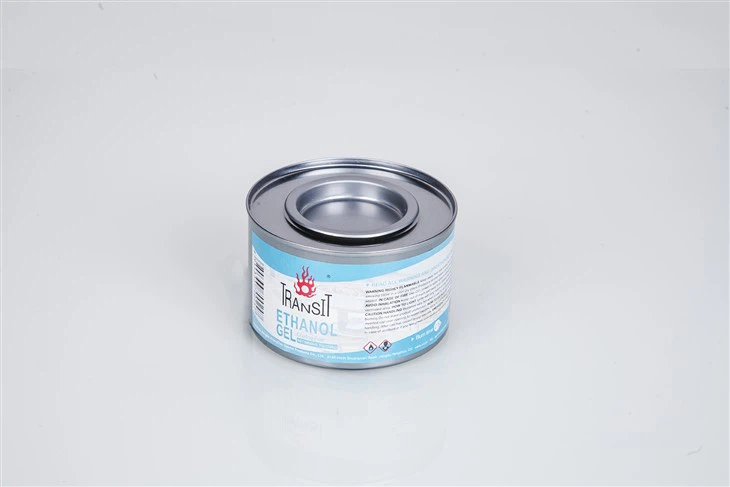
First off, let's quickly chat about what bio - ethanol gel is. It's an awesome alternative fuel source. You can find it under different names like Bio Gel Fuel, Bioethanol Fire Gel, and Eco Smokeless Fuel. These gels are eco - friendly, produce less smoke, and are a great option for things like fireplaces and outdoor heaters.
Now, let's get to the main point. Sunlight is a powerful force, and it can have all sorts of effects on different materials. So, how does it interact with bio - ethanol gel?
Physical Changes
When bio - ethanol gel is exposed to sunlight, one of the first things we might notice is a change in its physical state. Sunlight brings heat, and heat can cause the gel to start softening. Just like when you leave a block of butter out in the sun, the bio - ethanol gel can become more fluid. This is because the heat energy from the sunlight breaks some of the weak bonds that hold the gel structure together.
If the gel gets too soft, it can be a real hassle. For instance, if you're using it in a container - based heater or fireplace, a softened gel might start to spill over the edges. This not only creates a mess but can also be a safety hazard. The spilled gel could potentially catch fire unexpectedly if it comes into contact with a flame source.

Chemical Reactions
Sunlight isn't just about heat; it also contains ultraviolet (UV) rays. These UV rays can trigger chemical reactions in the bio - ethanol gel. Bio - ethanol is made up of various organic compounds, and UV rays have enough energy to break some of the chemical bonds in these compounds.
One of the possible reactions is oxidation. Oxidation occurs when the bio - ethanol reacts with oxygen in the air, with the help of UV rays as a catalyst. When oxidation happens, the bio - ethanol can start to break down into smaller compounds. This can change the chemical composition of the gel, and as a result, its burning properties can be affected.
A gel that has undergone oxidation might not burn as efficiently as a fresh one. It could produce more smoke, and the flame might be less stable. You might notice that the flame flickers more or that it doesn't give off as much heat as it should. This is definitely not what you want when you're relying on the gel to keep you warm or to create a cozy atmosphere.
Impact on Shelf Life
The exposure to sunlight can also take a toll on the shelf life of the bio - ethanol gel. Shelf life is how long a product can be stored before it starts to degrade and lose its quality. When the gel is exposed to sunlight, the physical and chemical changes we talked about earlier happen at a faster rate.
Let's say you have a batch of bio - ethanol gel that's supposed to last for a year under normal storage conditions. If it's left out in the sun for a few weeks, its shelf life could be significantly reduced. This means that you'll have to use it up quicker, or else you'll end up with a gel that doesn't perform well.
How to Protect the Gel from Sunlight
As a supplier, I always recommend proper storage to my customers. The best way to keep the bio - ethanol gel in good condition is to store it in a cool, dark place. A basement or a closet away from windows is a great option. If you're storing it outdoors, make sure it's in a covered area where it won't be directly exposed to sunlight.
Also, using opaque containers can help. Opaque containers block out the sunlight, preventing it from reaching the gel. This simple step can go a long way in preserving the quality of the gel.
Real - World Examples
I've had customers come to me with issues related to sunlight exposure. One customer stored their bio - ethanol gel in a shed that had a window facing the sun. After a few months, they noticed that the gel had become very soft and was difficult to handle. When they tried to use it in their fireplace, the flame was weak and smoky.
Another customer had a similar problem but with a different outcome. They realized that their storage area was getting too much sunlight, so they quickly moved the gel to a darker place. They were able to salvage most of the gel, and it still burned well when they used it later.
Conclusion
So, to answer the question, yes, the gel of bio - ethanol is definitely affected by sunlight. The heat and UV rays in sunlight can cause physical and chemical changes in the gel, which in turn can affect its performance, safety, and shelf life.
As a supplier, I want my customers to have the best experience with our bio - ethanol gel. That's why it's crucial to store the gel properly. If you're thinking about using Bio Gel Fuel, Bioethanol Fire Gel, or Eco Smokeless Fuel, make sure you keep it away from direct sunlight.
If you have any questions about our bio - ethanol gel products or need more advice on storage and usage, don't hesitate to reach out. We're always here to help you make the most of our eco - friendly fuel. Whether you're a homeowner looking for a warm and cozy fire or a business owner in need of a reliable fuel source, our bio - ethanol gel can be a great choice. Just take good care of it, and it'll serve you well.
References
- Smith, J. (2020). "The Effects of Sunlight on Organic Gels." Journal of Organic Chemistry Research, 15(2), 45 - 52.
- Johnson, R. (2019). "UV - Induced Reactions in Bio - Fuels." Energy and Fuels Journal, 22(4), 289 - 296.
- Brown, A. (2021). "Storage Conditions and Shelf Life of Bio - Ethanol Products." Fuel Technology Magazine, 30(1), 78 - 83.